

27 January 2026
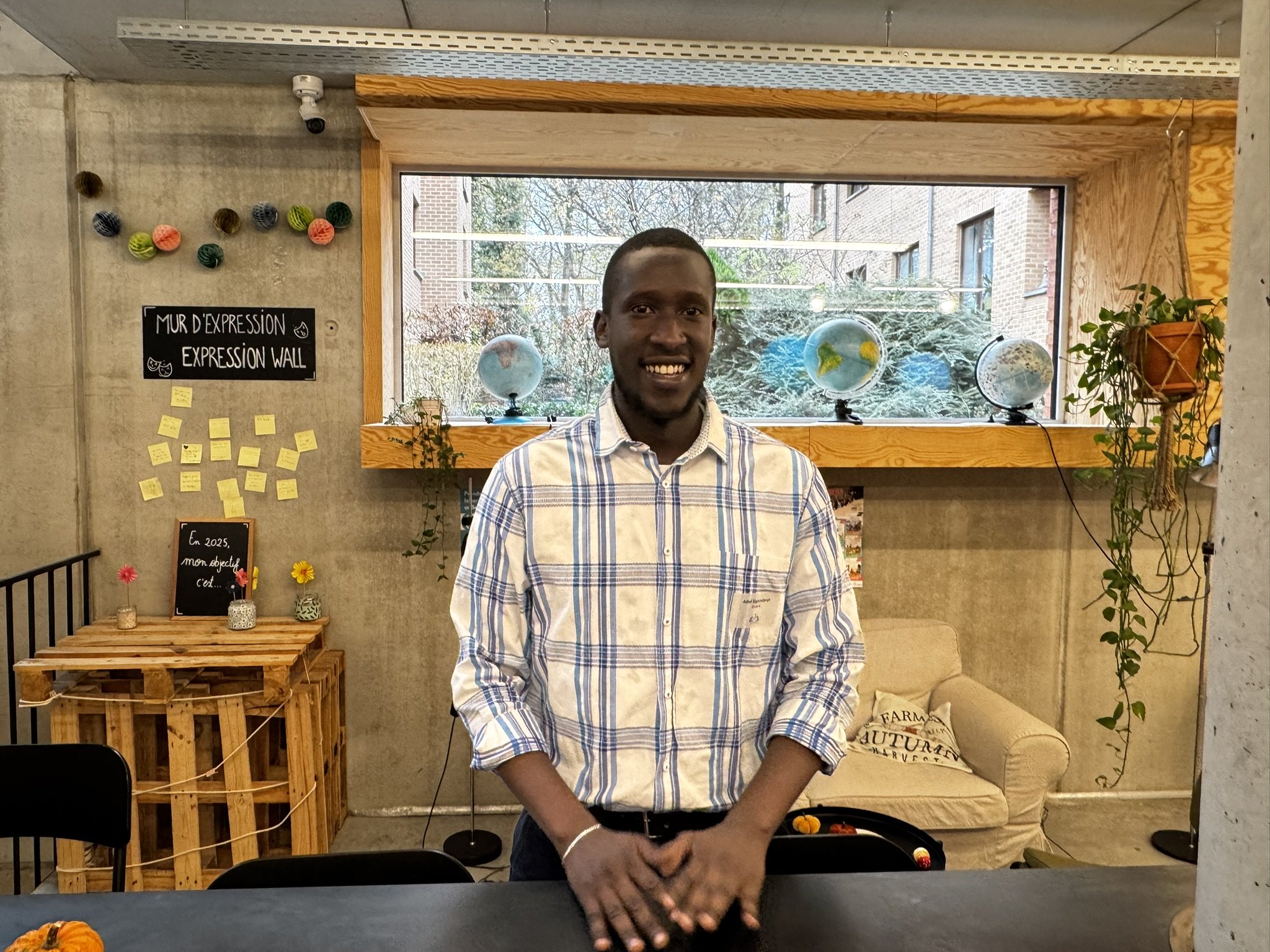
The story of Adiel Bigirindavyi begins in Bujumbura, Burundi. He later completed his Bachelor’s in Economics at the Kigali Independent University in Rwanda, building a foundation in understanding how economies function in contexts where stability is not guaranteed. Today, he is a Master 2 student at the University of Clermont Auvergne (UCA), specialising in Sustainable Development Economics and focusing on how to build a world that is more stable and responsible.
His motivation for this path comes from personal experience. Growing up in an environment where resources and lives were destroyed by political instability, he became, in his own words, “obsessed” with the idea of sustainable development, not only for the environment but also for society. He wants to use his skills to help organisations create ethical systems that value human life and long‑term stability.
One turning point in his journey was his selection for the UNIV’R project.
Adiel was one of 670 applicants, and he believes what made his application stand out was the combination of his academic background in economics and his practical commitment to social causes. Demonstrating that he could maintain a stable academic course while navigating challenges likely showed the selection committee his resilience and adaptability. He learned about the UNIV’R project through internet research, while actively looking for opportunities. The process was intensive, requiring not only academic transcripts but also deep reflection on his professional goals and how they align with the values of French higher education.
The challenges along the way were significant.
He describes the biggest challenge as the uncertainty of the future and the complexity of international administrative procedures while living in a different country. He overcame this by staying organised, seeking guidance from mentors, and focusing on his long‑term goal: using education as a tool for rebuilding his life.
Once in Clermont‑Ferrand, the academic environment at UCA proved demanding but rewarding. For Adiel, the experience has been transformative, giving him the chance to sharpen his technical skills in R programming, QGIS mapping and ESG indicators. He particularly values the focus on carbon footprint assessments (Bilan Carbone) and extra‑financial reporting, which he sees as practical tools that allow a company to measure its impact on the planet and that represent exactly the kind of expertise he wants to bring to the professional world.
Behind this transformation is a web of support.
He explains that the university community and local associations have been vital. Peer‑to‑peer programmes that help other students integrate into university life are, in his view, the most helpful resource for integration. These forms of support, alongside university resources that assist with administrative issues and integration, are what he identifies as the most important systems for success.
Adapting to France required more than just academic effort.
For Adiel, the biggest adjustment since arriving in France has been adapting to a new administrative system and the cultural nuances of the French professional world. He has built his social network through active volunteering with ADRA, where he distributes meals, and ESOPE 63, where he helps manage sustainable food donations. These activities have allowed him to meet local residents and other students outside of the classroom and to integrate more deeply into the community.
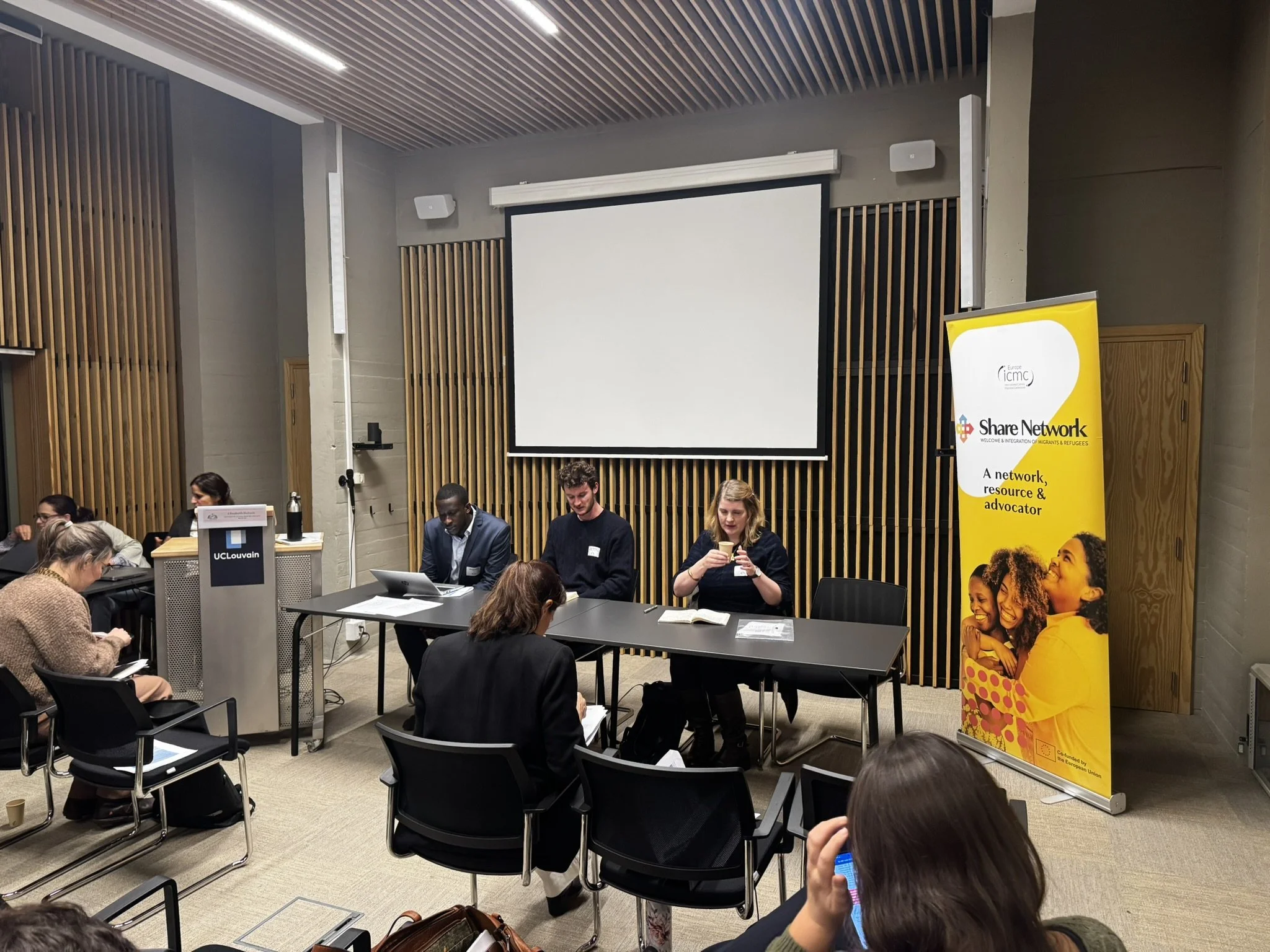
Today, Adiel is part of the Refugee Advisory Board of our HERCoN project
His daily life reflects this combination of study, sport and social commitment. A typical day involves attending lectures at UCA and sport practice in the afternoon. On weekends, he either works or engages in community support, maintaining a rhythm that keeps both his professional and social goals in motion.
Looking ahead, Adiel’s ambitions are very clear.
He intends to work as a CSR & ESG Mission Officer, specifically in the banking sector, managing extra‑financial reporting and carbon footprints. He is interested in projects involving the circular economy, sustainable logistics and social actions that build on his experience. His plan is to develop projects where he can apply his expertise in ESG and RSE performance to ensure ethical and sustainable business practices.
For other international students, his advice is practical and direct.
He recommends being proactive, not waiting for opportunities but seeking them out through networks like the UNIV’R project. He encourages volunteering, explaining that engaging with local groups such as ADRA or HERcoin for social actions helped him integrate and build a local network. He also advises mastering technical tools like Excel and data analysis, which he calls “universal languages” of the modern job market. In terms of preparation, he suggests organising all documents for administrative purposes and focusing on technical tools that are widely used both academically and professionally.
When asked what he is most proud of, Adiel says he is proud of being resilient over all these years and not giving up. One of the things that surprised him most was the strength of community solidarity in Clermont‑Ferrand, which helped him feel at home.
In his final reflection, he describes his story as one of hope. He shares it to highlight that, for someone in his position, education and resilience are the only paths to safety.