

Refugee Protection in Times of Global Turmoil: Rethinking Safe and Legal Pathways
9 February 2026
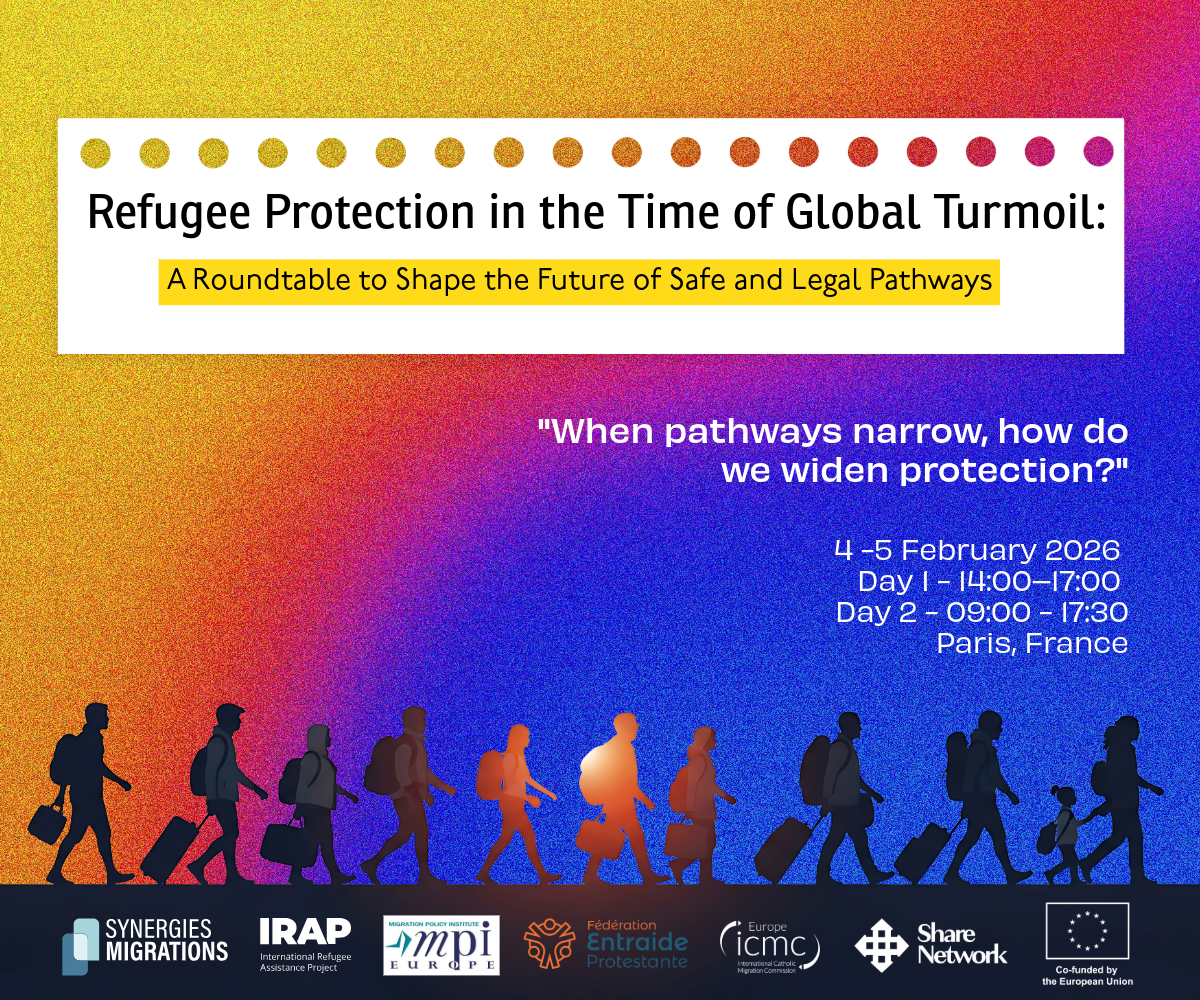
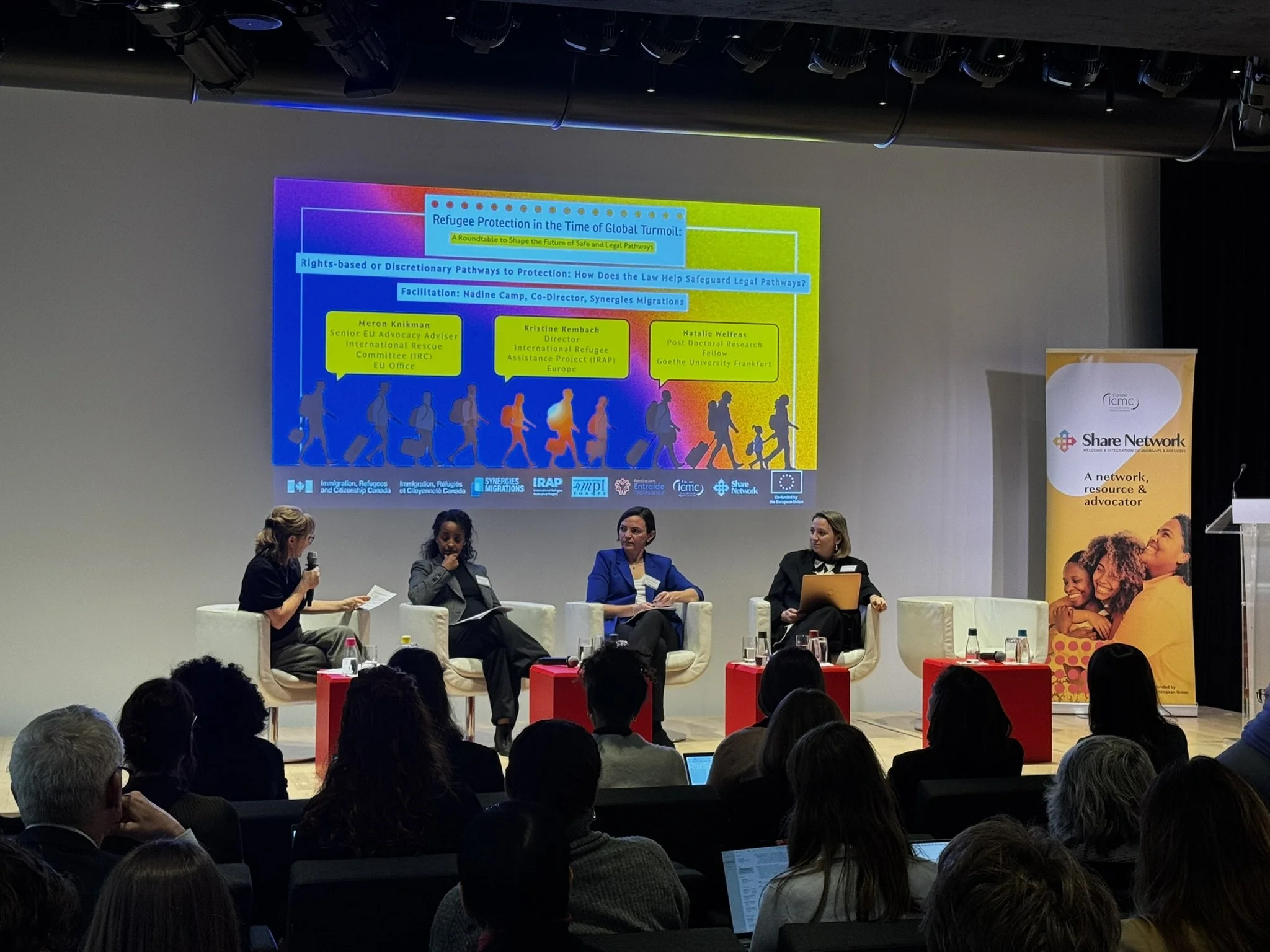
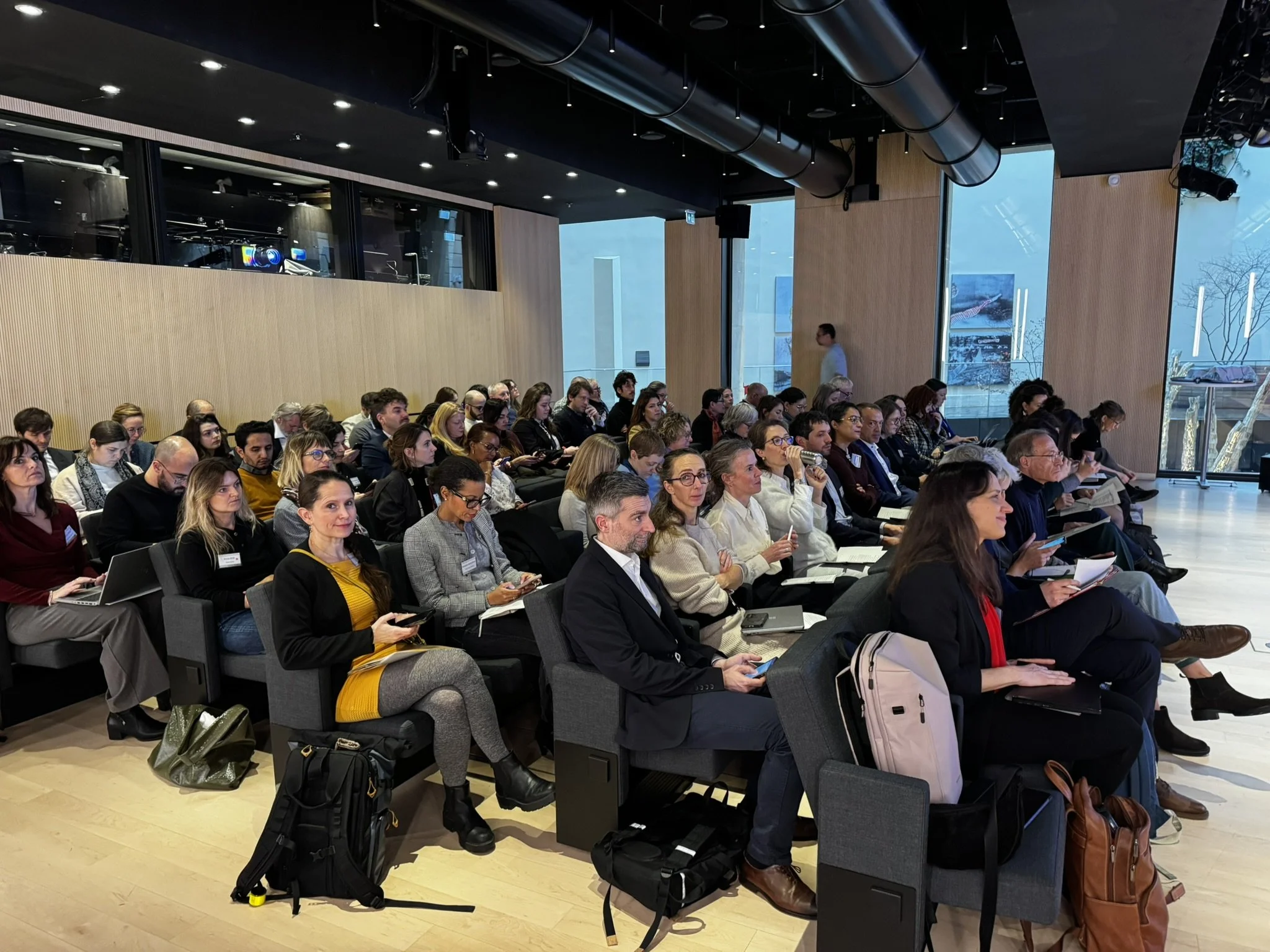
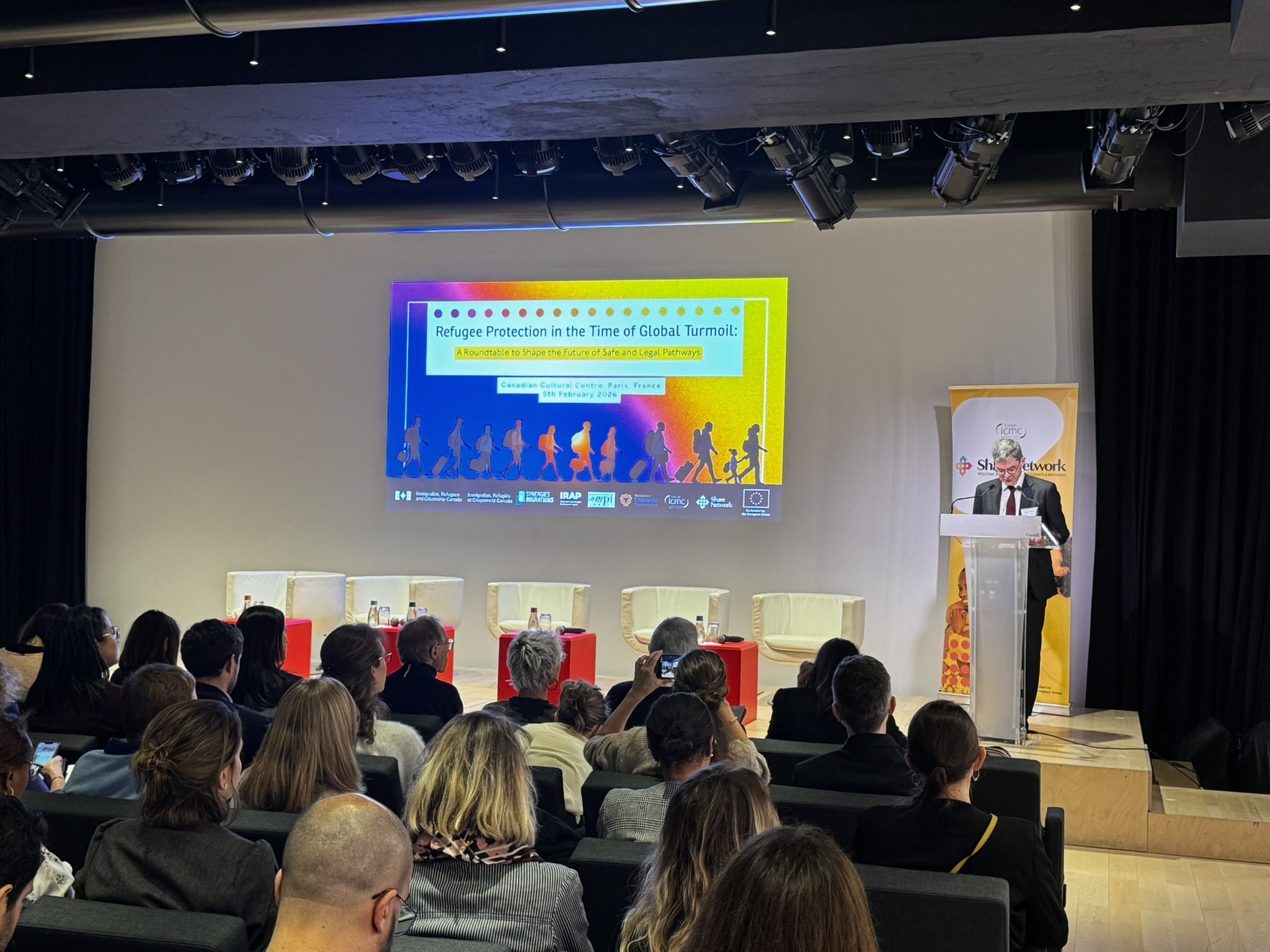
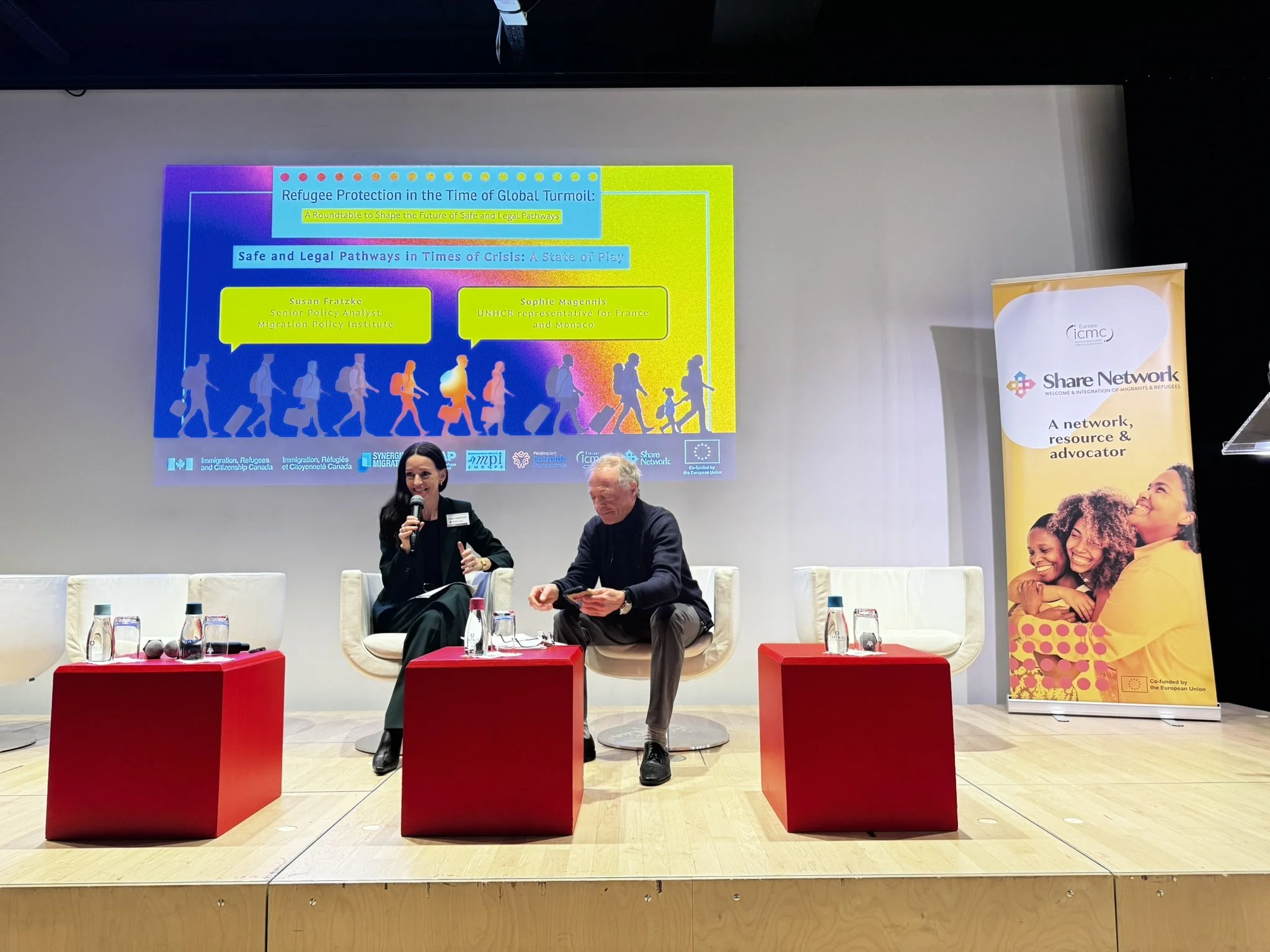
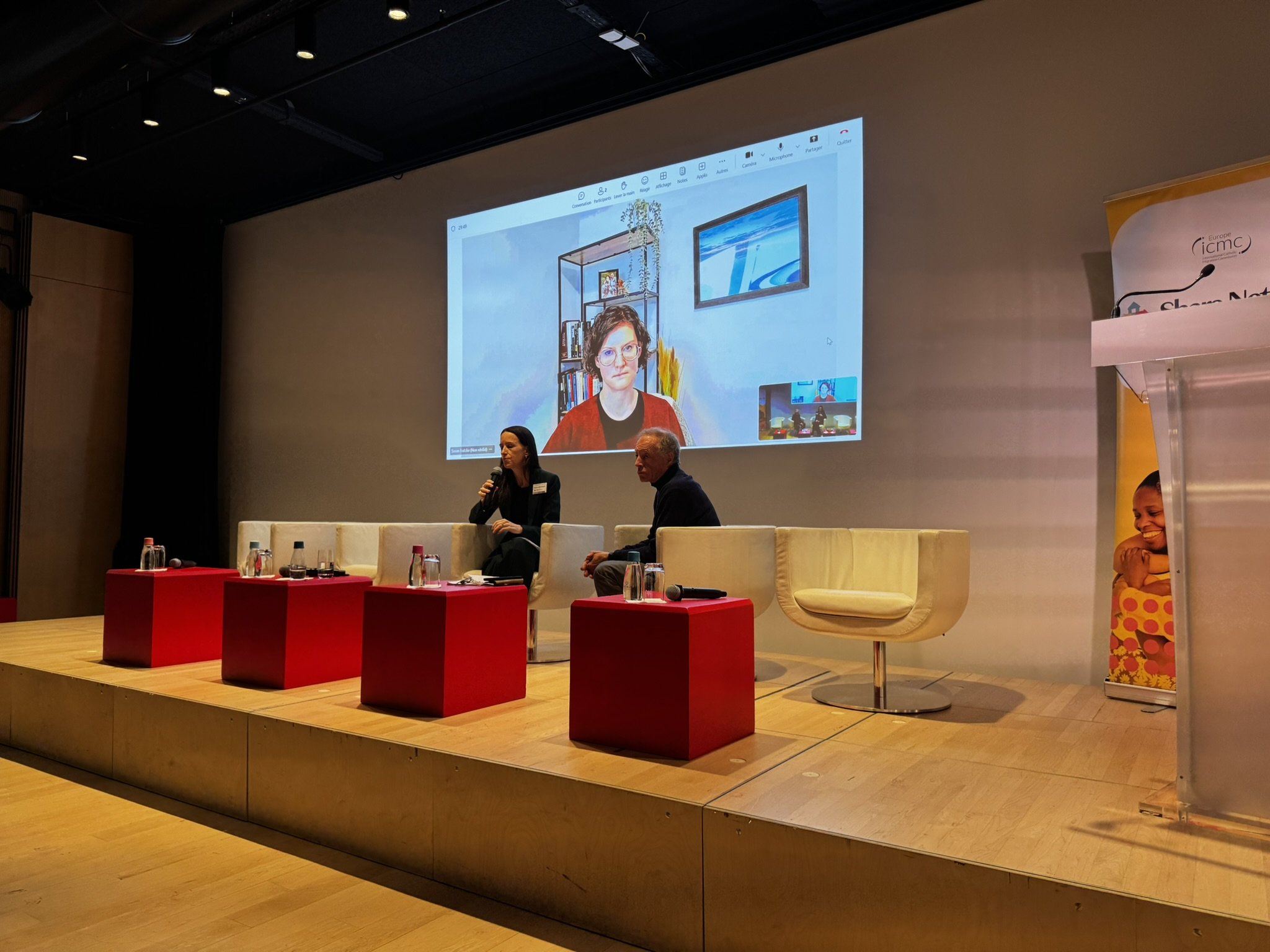
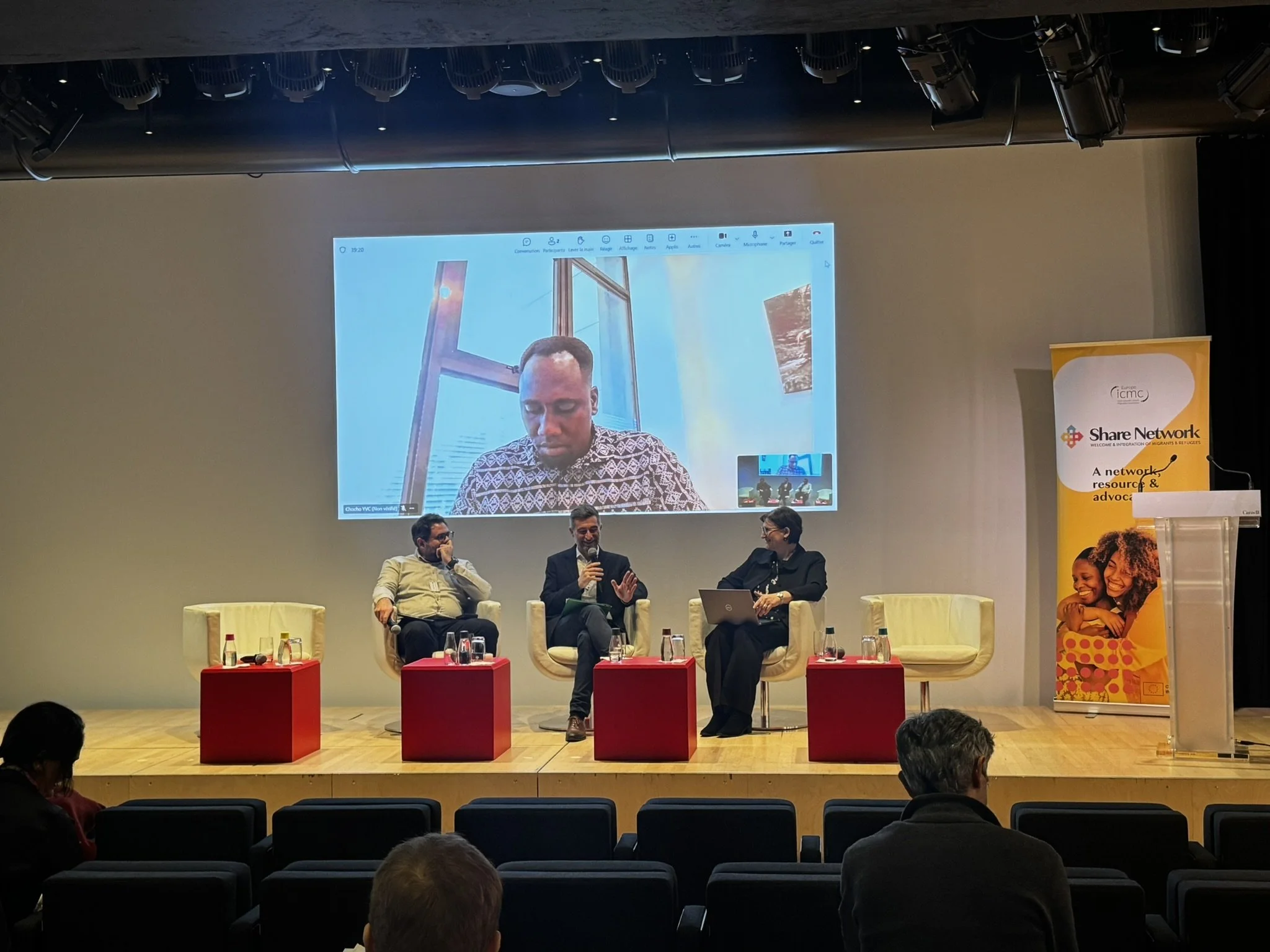
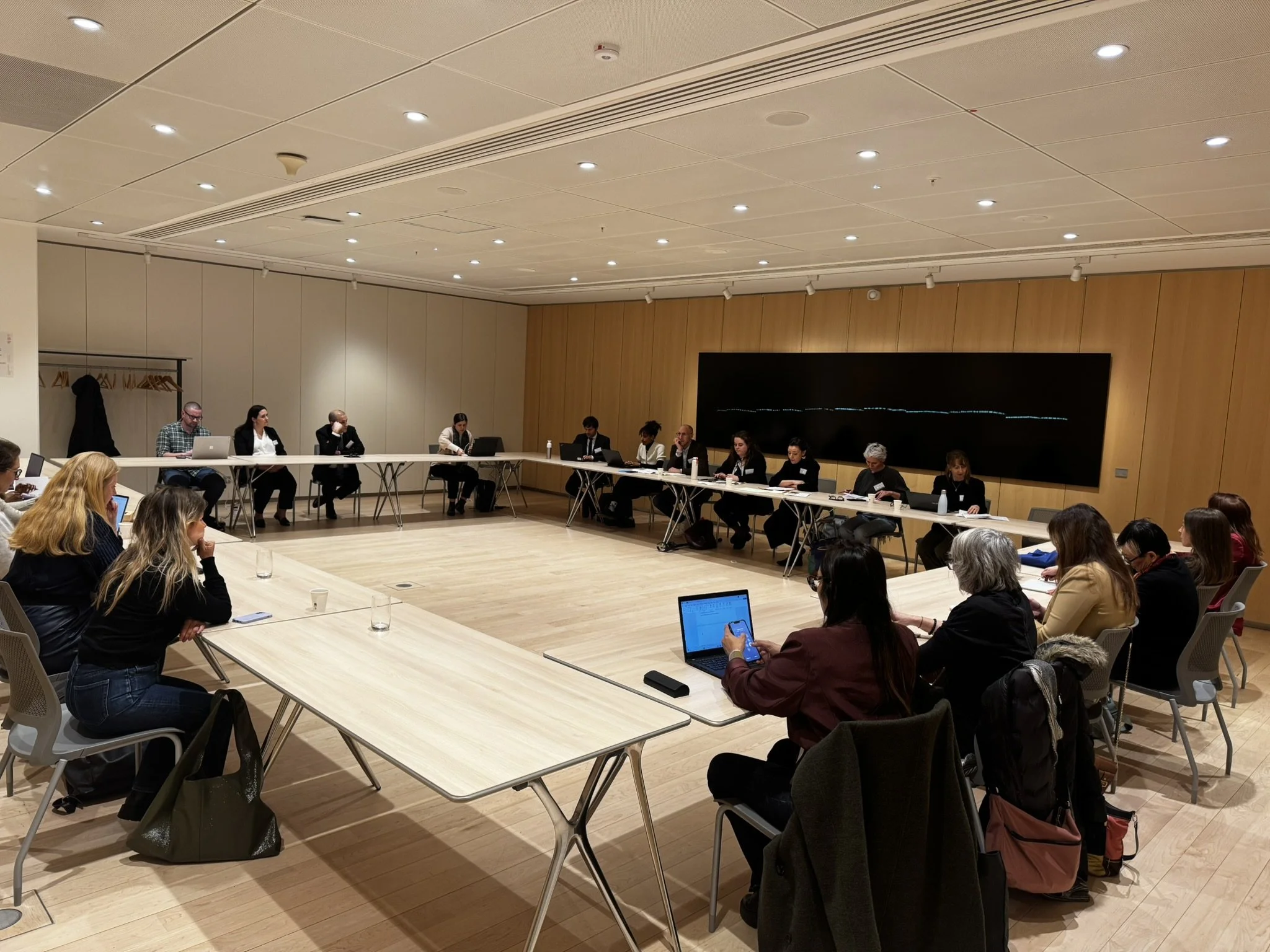
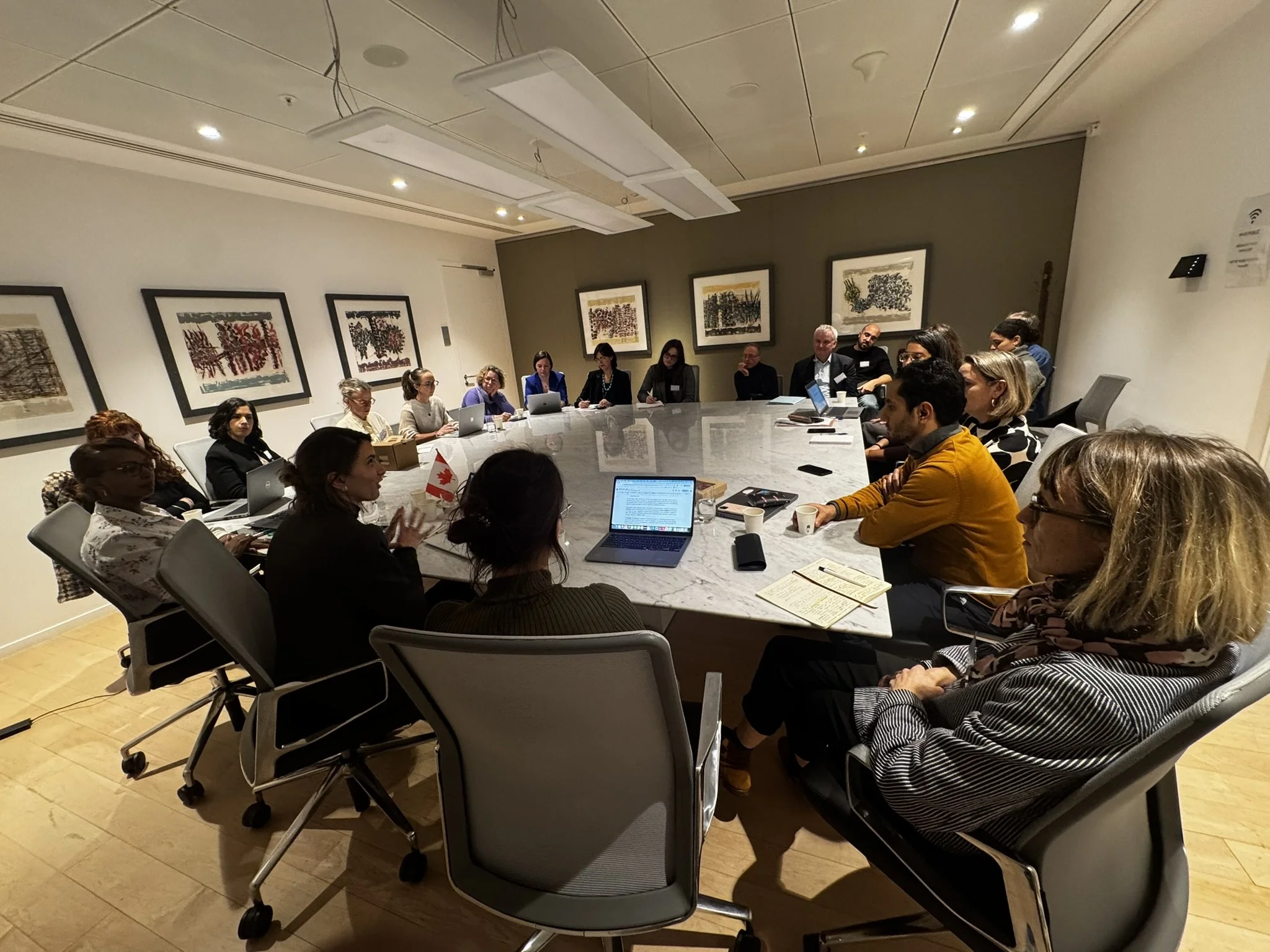
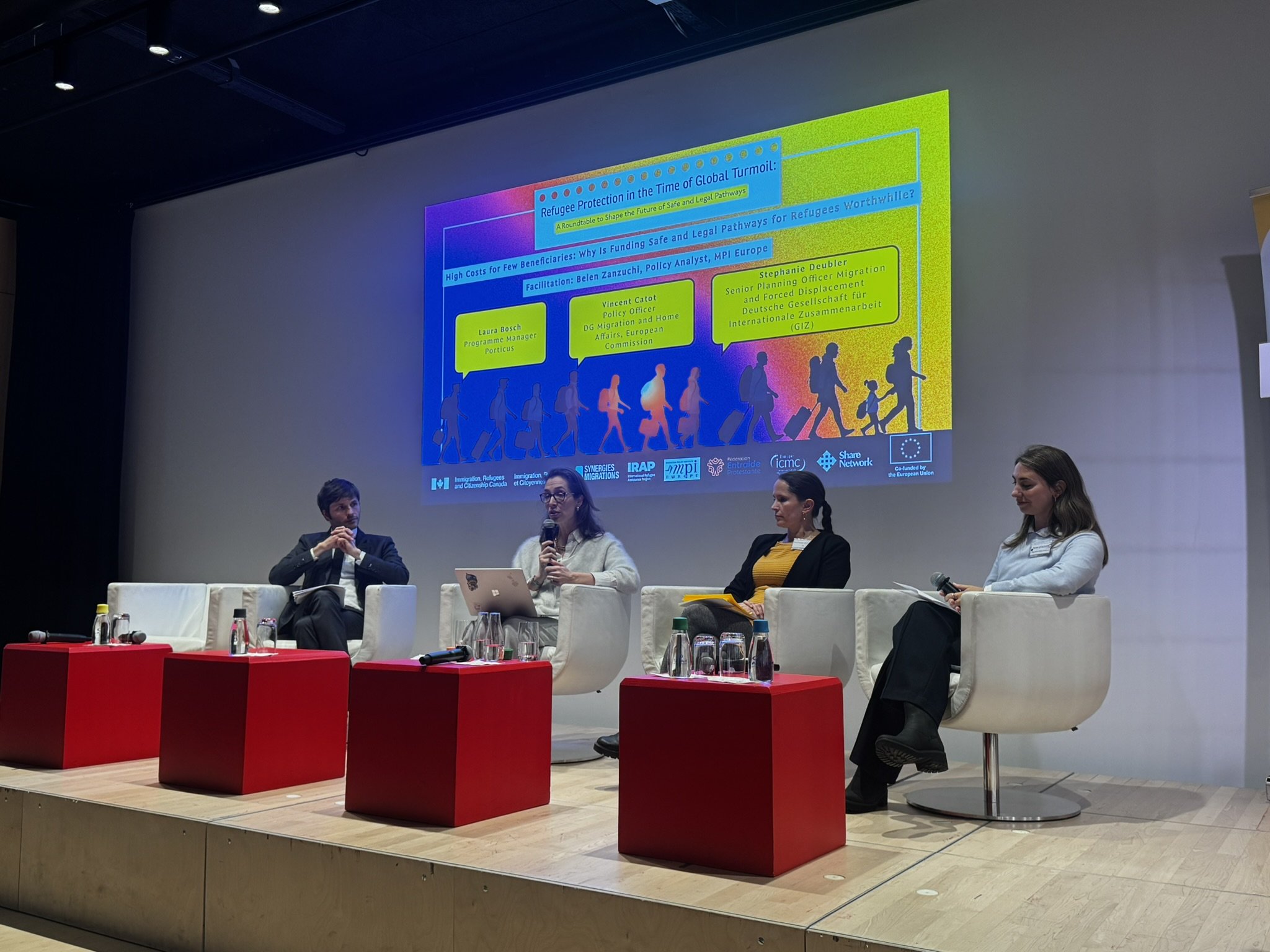
On 4–5 February, ICMC Europe/Share Network, in partnership with Synergies Migrations, IRAP and the Canadian Embassy to France, brought together practitioners, policymakers, researchers, and civil society actors for a roundtable on refugee protection in times of global turmoil. The discussion came at a moment of rising political pressure, shrinking resources, and growing uncertainty around migration policy, yet the exchanges made clear that safe and legal pathways remain a vital part of the protection landscape. Across the two days, speakers explored how resettlement, community sponsorship, education pathways, labour pathways, family reunification, and humanitarian admission can reinforce one another rather than compete for space.
A central message running through the roundtable was that these pathways should not be treated as isolated initiatives. Participants repeatedly underlined the need to see them as part of a broader ecosystem of protection, mobility, and inclusion, with strong links between countries of departure, first asylum, and destination. That means working more closely with local organisations, refugee-led groups, employers, universities, and diaspora actors, all of whom play a practical role in referral, orientation, trust-building, and follow-up.
Broadening the pathway lens
Several speakers stressed that the current debate is too often narrowed to a choice between humanitarian protection and labour or education routes. The roundtable instead pointed to a more realistic and durable approach: pathways should respond both to protection needs and to the interests of host communities, governments, and other stakeholders. Community sponsorship and education pathways were highlighted as powerful examples of routes that can build social cohesion, support integration, and create more visible public support for refugee inclusion.
At the same time, speakers warned against creating a hierarchy of “more” or “less” deserving refugees. Labour pathways can be transformative, but they should not be designed in ways that dilute protection or leave family unity behind. The discussion also returned several times to the tension between flexibility and safeguards: pathways need to be accessible and adaptable, but also protected from exploitation, over-selective criteria, and over-reliance on a single employer or sponsor.
Funding and sustainability
Funding was another recurring theme. Participants noted that many pathways remain small-scale and heavily dependent on short-term political will or project-based funding. Several speakers argued that this creates a fragile system, especially when lower numbers lead to lower budgets, which in turn makes it harder to scale up. The roundtable called for more stable financing models, including greater use of national funding streams, philanthropic support, and other forms of cost-sharing that can help pathways move beyond pilots and into sustained practice.
There was also strong recognition of the role of local and refugee-led organisations. These actors are often the first point of contact for refugees, and they provide information, screening support, pre-departure orientation, and community-based accompaniment. Participants emphasized that they should be better resourced and more formally integrated into pathway architecture, not treated as peripheral partners.
Rights and practical barriers
Beyond policy design, the roundtable also highlighted concrete barriers that affect people’s ability to move through legal pathways. Delays in documents, uneven procedures, limited employer readiness, and uncertainty around family reunification all featured prominently in the exchanges. Speakers noted that these bottlenecks can undermine trust, create commercial and administrative risk, and leave refugees in prolonged uncertainty even after selection.
The rights dimension was equally important. Participants stressed that entry routes matter because they shape status, rights, and long-term security after arrival. That includes access to asylum as a safety net, durable residence options, and realistic routes to family reunification. The discussion made clear that legal pathways are strongest when they are not only efficient but also rights-based and built to support people’s trajectories over time.
Looking ahead
The roundtable closed on a clear note: safe and legal pathways are not a substitute for asylum, but they are an essential part of a broader protection system. When designed well, they can widen access to protection, strengthen social cohesion, and create more credible alternatives to dangerous journeys. They also offer a practical way to connect humanitarian responsibility with the real needs of communities, institutions, and labour markets.