

A community sponsorship process can specify housing, funding, casework, and language classes. It cannot specify what a city has to offer a family on the day the programme ends. In Tudela, in southern Navarra, a group of residents built something that can help with that… years before anyone asked them to.
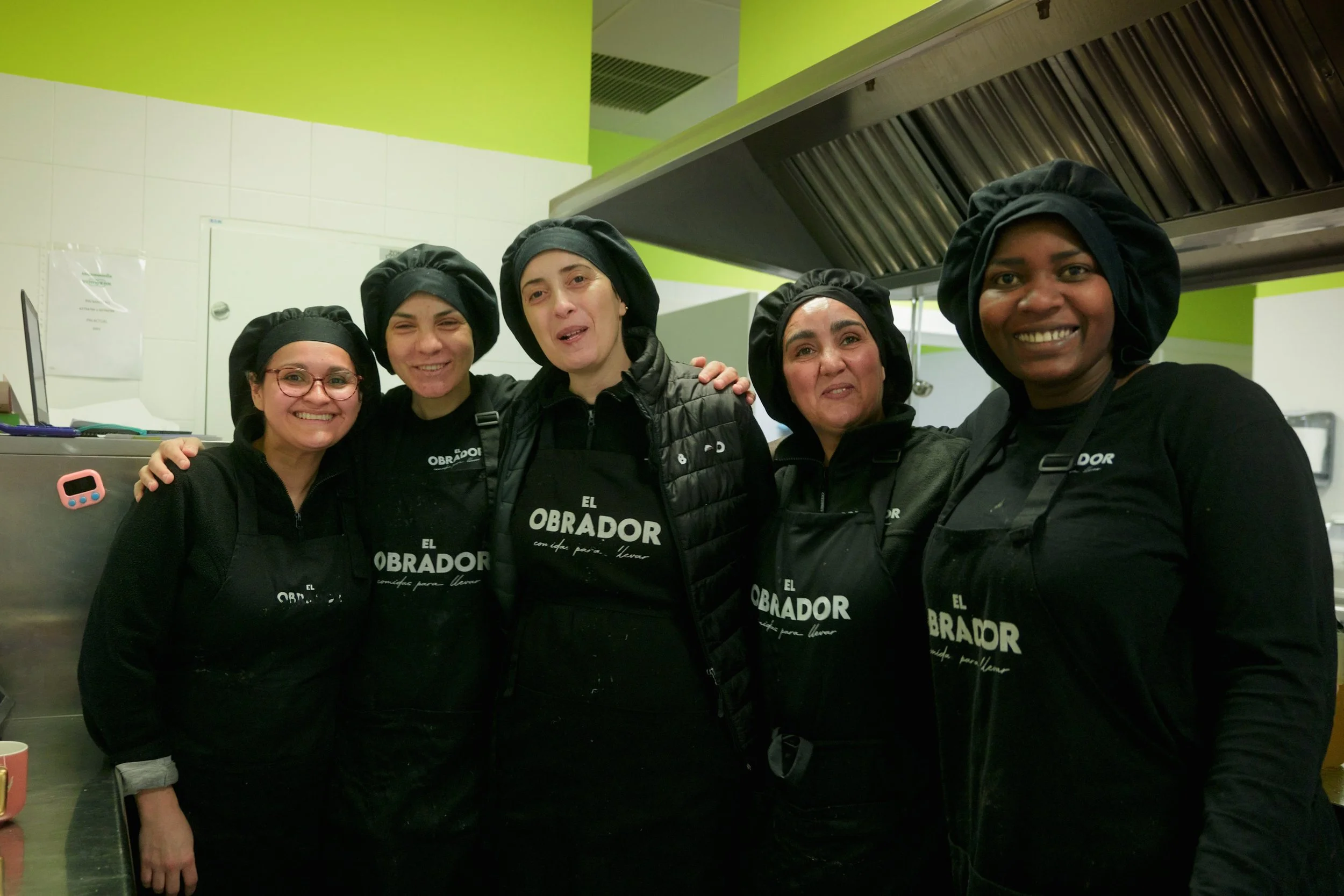
It started with food
“Villa Javier was created to help people in financial need,” says David Crespo, who coordinates the foundation and leads its communications, “especially those struggling to access food.”
That was the whole of it at first: a dining hall, in a city where some people could not reliably eat. What changed the organisation was who began coming through the door.
“Later, migrant families with children arrived,” Crespo says, “and we began identifying new social problems that required support.”
That sentence is worth pausing on, because it inverts how reception infrastructure is usually built. Nobody designed Villa Javier as a service for migrants. It was built by residents of Tudela, for residents of Tudela, and when the people arriving happened to be newcomers, the organisation grew a new limb rather than referring them elsewhere.
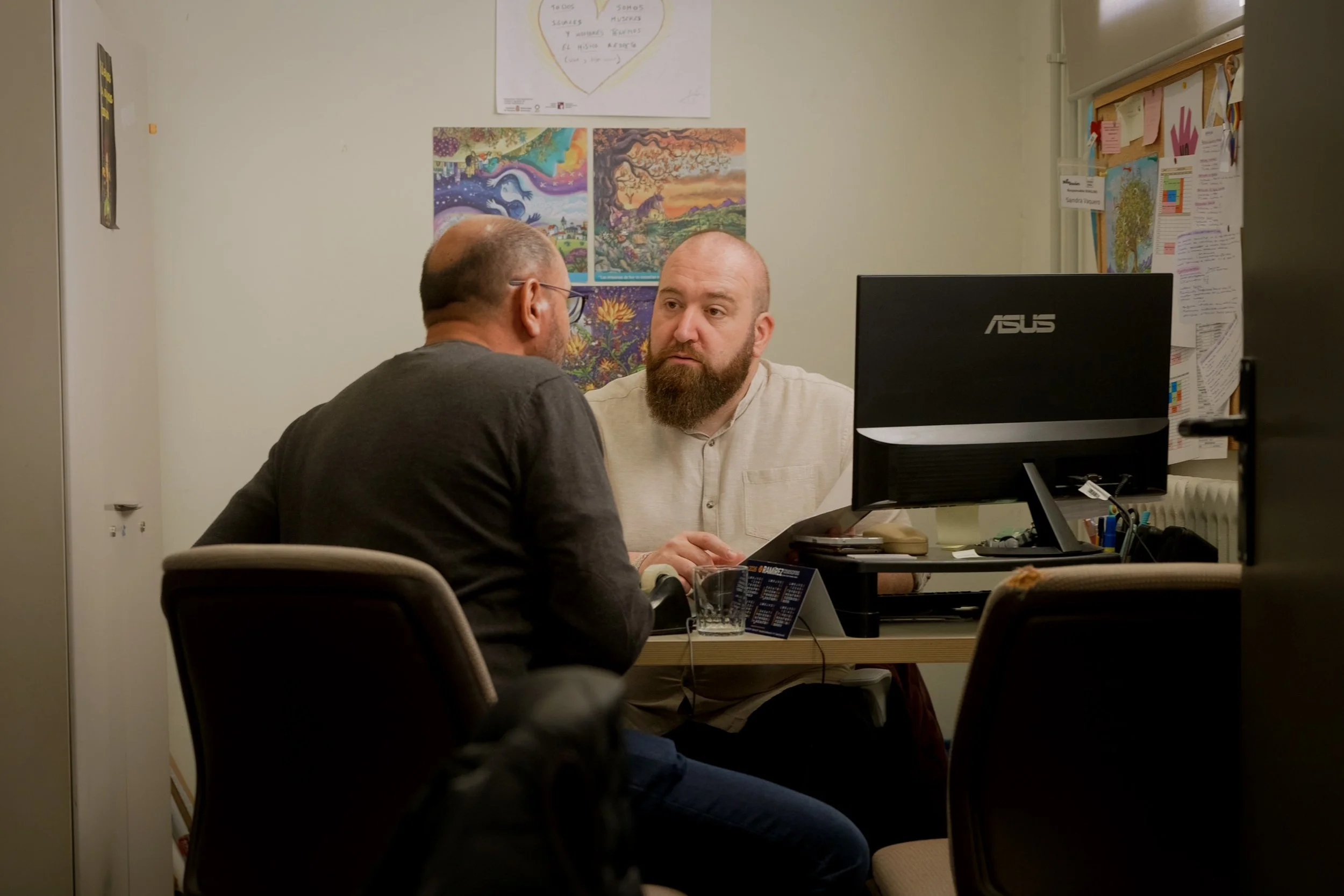
“Villa Javier was not created by a public or private institution, but by ordinary citizens. People who noticed there was a problem in Tudela. ”
“We were ordinary people, without power or big institutions behind us,” he adds. “We had no starting budget. It all began with citizens.”
Six doors, one route
Today Fundación Tudela Comparte (Villa Javier to everyone locally) runs a set of services that make more sense as a sequence than as a list. Each one begins roughly where the last one ends.
El Comedor, the dining hall, is where the foundation started and where most people still arrive first.
El Capacico is the food distribution centre, and it shows how the foundation thinks. “Instead of giving out fixed food packages, we created a supermarket model, where families can choose what food to take home,” Crespo explains. Each family is assigned personal points by a social worker. Everything on the shelves is donated “from the food bank and supermarket partnerships”.
An organic urban garden sits within the project, as part of their own social enterprise Mejana Gourmet. Its surplus is brought in each morning, so the produce on offer is fresh.
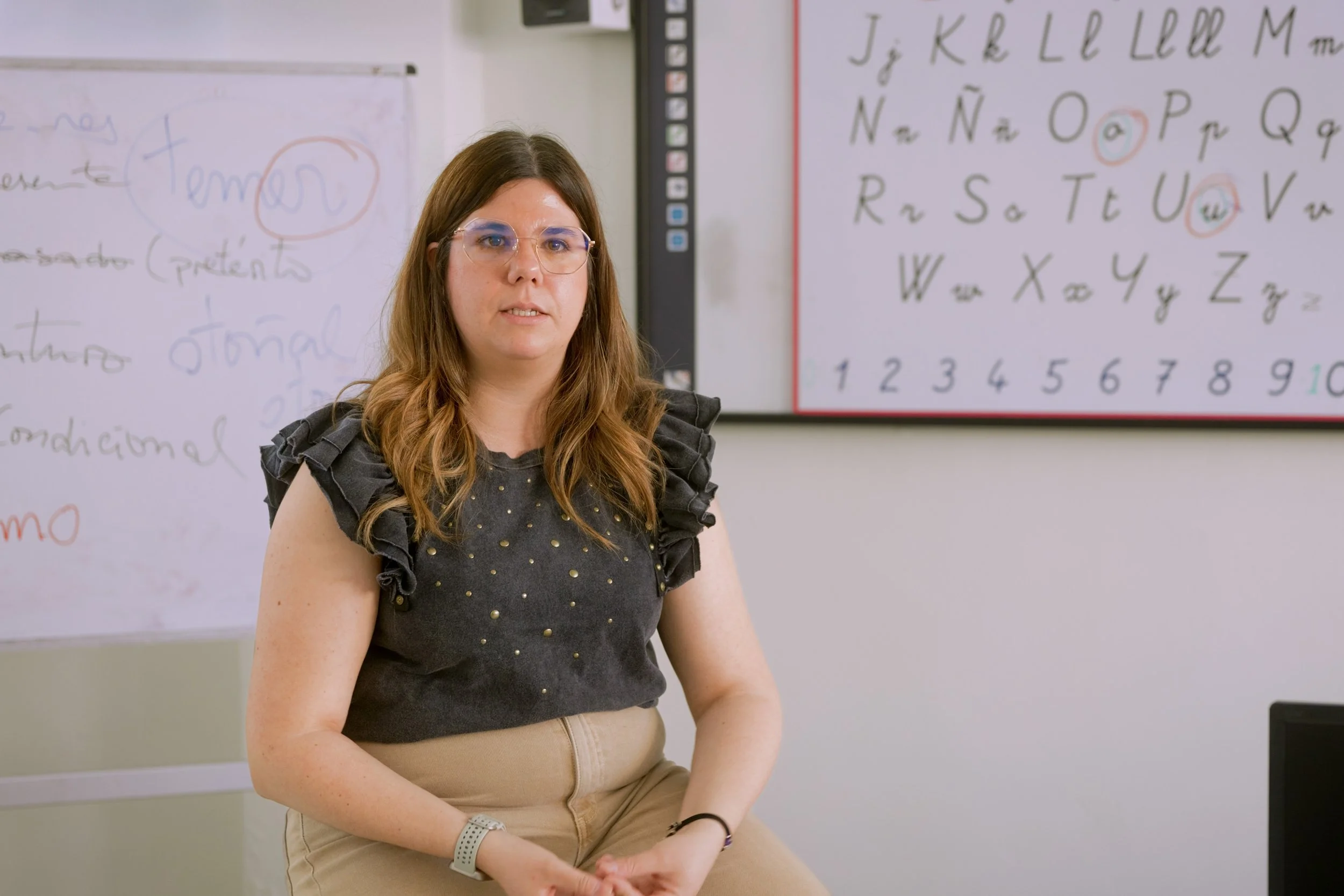
El Semillero (the seedbed) is the second stage. “Once basic food needs are covered, people can come here to take courses,” says Sandra Vaquero, who manages it. The curriculum is precisely aimed: how employment works, how to search for a job, what your rights as a worker are, “so people feel prepared when entering the job market”. There are household budgeting classes, to help people “use their money wisely” and keep their finances stable. There are basic cooking classes.
“People don’t only come here to study, but also to build support networks”, Vaquero adds.
El Pisico handles housing. “The project offers temporary housing to help people rebuild their lives,” Crespo says. “It is not meant to be permanent, but a step toward independence.”
“In the past five years, we realised people stop needing our support once they find work,” Crespo says. “So we began creating jobs within our own foundation.”
Using the work-integration enterprise model available in Navarra, the foundation certified a company of its own: Mejana Gourmet, named after the fertile riverside gardens of the Ribera, combining local agriculture with cooking from the foundation’s central kitchen.
“For many migrants, this became their first job in Spain,” says Sandra Cerrón, the social worker responsible for labour market integration. “Here they receive training, support from the social team, and practical work experience. They learn a trade that may connect to their past experience, or lead to something new.” It is, she says, a first step towards the regular job market.
But she does not describe it primarily as employment.
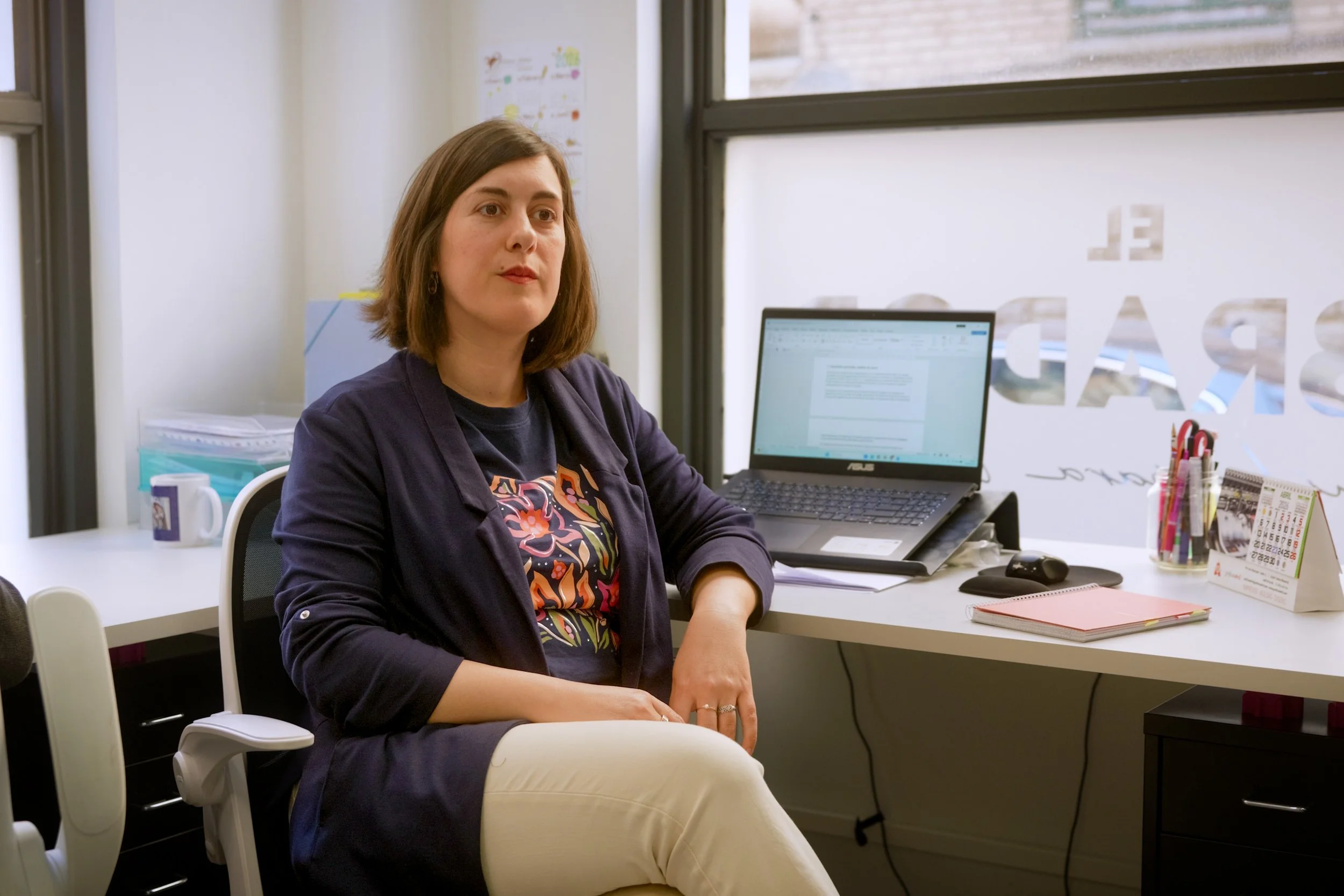
“This company offers more than jobs. It creates social connections and support networks. People meet others from their own country, and other countries, including Spain. It’s much more than work. ”
The case of Aicha
Aicha Oussou came to Villa Javier as someone who needed it. She now volunteers at El Capacico, handing out the food she once queued for.
“Villa Javier is my home,” she says. “They changed my life. My life is improving a lot.”
“I have friends among the volunteers. They do kind things for me, and I love being with them.”
Asked why she volunteers, her answer is short: “I also want to give others what Villa Javier gave me.”
And then: “I am a different Aicha now.”
Why a regional government pays attention
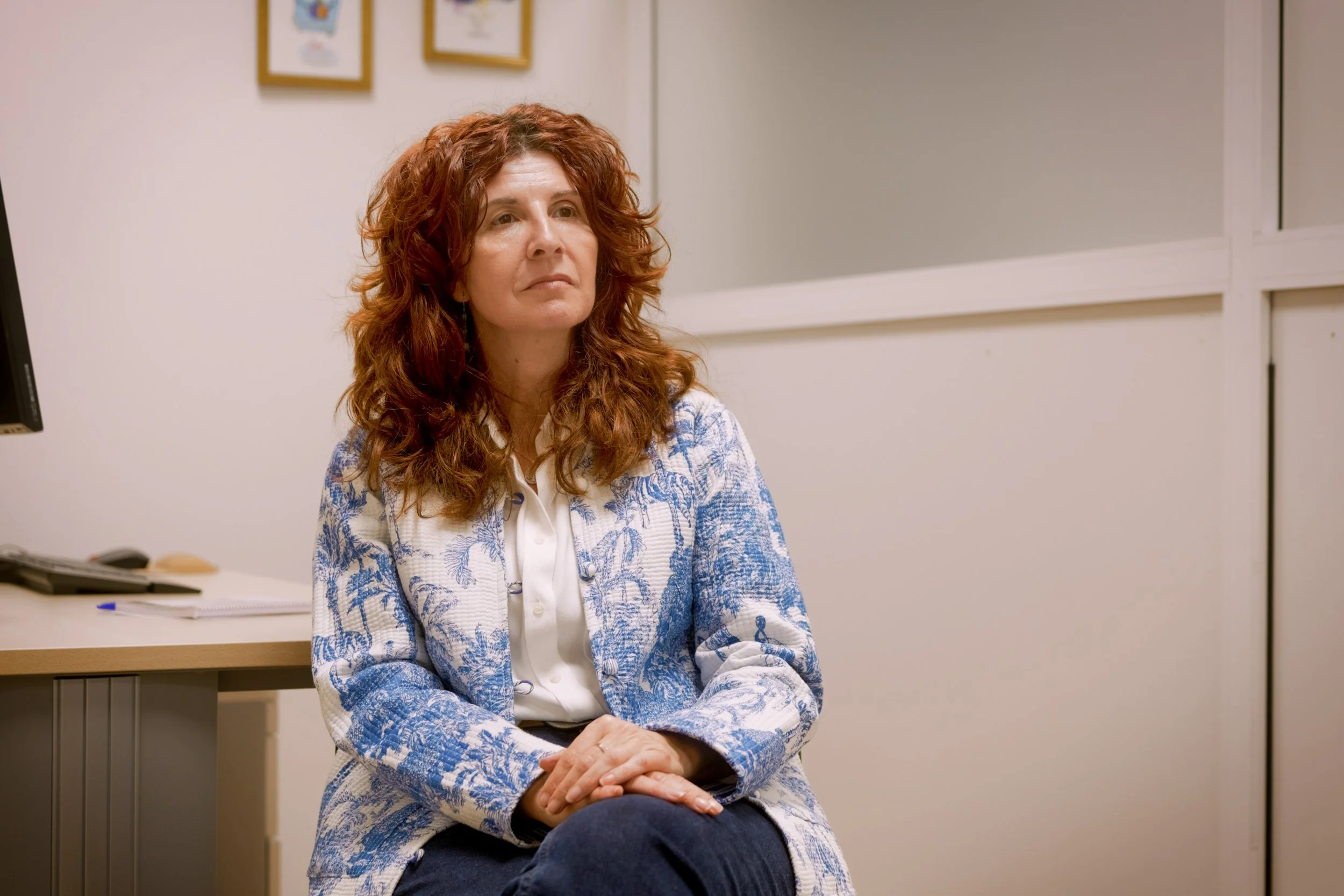
Navarra is one of the Spanish autonomous communities that maintain and directly finance community sponsorship. The programme runs in Tudela and, from this year, in Pamplona as well.
“The General Directorate of Migration Policies leads a community sponsorship project in Tudela, and this year also in Pamplona,” says Eva Gurría, Director General of Migration Policies for the Government of Navarra. But she does not stop at the programme she funds.
“There are also many local initiatives supported by social organisations, associations and volunteer groups that strengthen programmes like these,” she continues. “One example is Fundación Tudela Comparte, better known locally as Villa Javier.”
Gurría describes Villa Javier as “a highly circular project that supports people step by step”, from first contact with someone in a vulnerable situation, through resources, towards autonomy. “The goal is to help people build independent lives.”
She is specific about where its strength comes from. “It’s not only the formal structure that interacts with the government and manages the projects, but it is supported by many volunteers working closely with the community. Because they are present locally, they understand the realities people face every day, and know the local dynamics.”
And then, unprompted: “Something I really love: you see people of all ages, all sharing the same goal, to collaborate and contribute.”
Her verdict, for the benefit of every other region in Europe: “Many parts of Villa Javier could be replicated elsewhere.”
What this means for community sponsorship
Community sponsorship is defined by what can be written into an agreement. Housing for a fixed period. A financial contribution. Casework hours. Language classes. School enrolment. Health registration. These are the things a convenio can specify and an auditor can check, and they are necessary.
They are also not sufficient, and everyone who has run a sponsorship programme knows it. The accompaniment ends at eighteen or twenty-four months. What happens on month twenty-five depends entirely on whether the city around the family contains anything — a place to go on a Tuesday, a course worth taking, a first job, someone who notices if you stop turning up.
Villa Javier is what that looks like when it exists. It is not a sponsorship organisation and does not claim to be. It is the surrounding tissue: the reason a family finishing a programme in Tudela lands somewhere rather than nowhere.
The lesson for other regions is not to copy the six services. It is to look at what already exists locally before designing anything new. Villa Javier was not built for refugees, was not funded to receive them, and was not consulted when the sponsorship programme was designed. It was simply already there, run by people from the city, doing something adjacent — and it turned out to be the difference between a programme and a welcome.
The phrase on the wall
“There is a phrase that defines pretty well our structure and beginnings,” Crespo says. It is Eduardo Galeano’s: “Many small people, in small places, doing small things, can change the world. That is exactly our story.”