

13 July 2026

The first break in Benazir Rostami's studies did not come from a failed exam or a change of plans. It came from politics.
Born in Kabul in 2004, she completed high school in 2020 and achieved a high score in the national Kankor exam, which allowed her to study Computer Science at Kabul University. Then the political situation in Afghanistan changed, universities closed, and continuing education became very difficult.
In that moment, her academic path no longer depended only on effort and grades. To keep studying, she had to look beyond her country's borders. She started searching for opportunities abroad to continue her studies and build a better future.
The first new step took her to Bangladesh.
Through a scholarship opportunity, Benazir moved to Bangladesh and studied for several months at the Asian University for Women. That time, she explains, was an important step in continuing her education after the situation in Afghanistan changed. But even as she adapted to this new environment, she continued searching for a place where she could grow academically and professionally in the long term.
That search eventually brought her to Nexus 3.0, a NGO in Portugal.
A new opportunity in Portugal
Benazir was actively looking for scholarships and international educational opportunities for students affected by the situation in Afghanistan when she learned about Nexus 3.0 and its support for refugee and migrant students. In 2024, she received the Nexus 3.0 scholarship opportunity and moved to Portugal to continue her studies in Information Engineering at Bragança Polytechnic University (formerly Instituto Politécnico de Bragança, IPB).
When she found out she had been accepted into the programme, she felt hopeful, grateful, and excited. For her, it was more than just a scholarship, it was a second chance to continue her education and rebuild her future in a stable environment.
Today, Benazir is in the third year of her Bachelor's degree in Information Engineering at Bragança Polytechnic University. She was drawn to technology because she enjoys solving problems, creating ideas, and exploring how technology can improve people's lives. Her interests are especially in Artificial Intelligence, cybersecurity, and innovative digital solutions.
The experience has been both challenging and rewarding. Studying in a new country, adapting to a different education system, and managing life independently was not easy at first, but it has helped her grow personally and academically. One of the biggest challenges was being far away from her family and learning how to manage everything independently, since she was very close to her parents and adjusting to a completely new environment required emotional strength. Language, cultural differences, and balancing studies with personal responsibilities were also challenges in the beginning.
During this period, the biggest challenges for her were emotional adaptation, uncertainty about the future, financial pressure, and balancing academic expectations while building a new life in another country. At the same time, she feels that these experiences have made her stronger and more independent.
Among the moments that encouraged her, one stands out clearly.
Innovation, Academia and Startup life
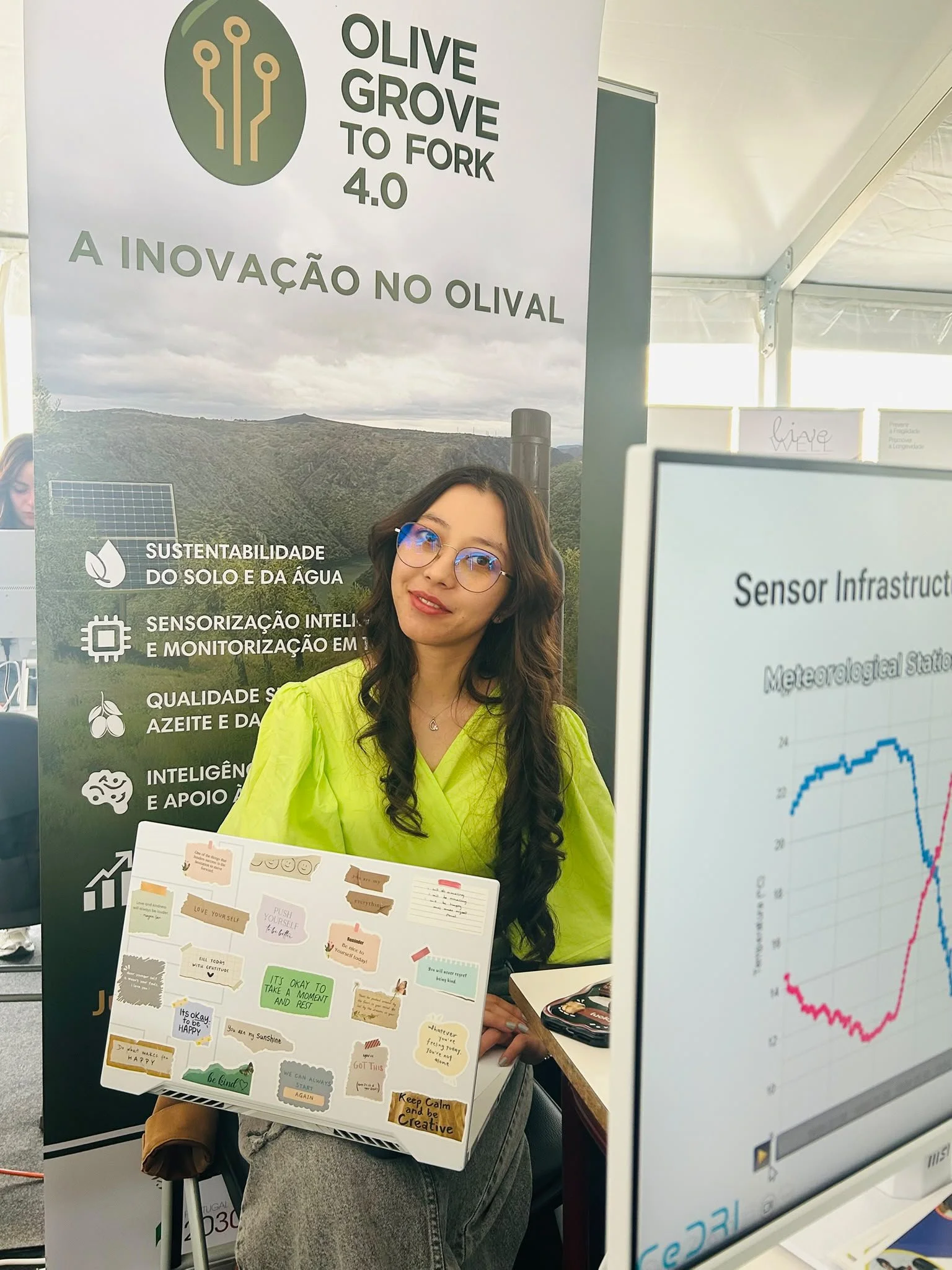
Benazir worked on a startup project called NeoLife AI, which received recognition at the "Innovation Without Borders" competition and went on to win first place at the 22nd Regional Poliempreende Business Ideas and Business Plans Competition, qualifying for the National Final (university news). She and her teammates also participated in the Hult Prize competition in Lisbon, where their project received positive feedback and encouragement to continue developing it further.
She was also proud to present her research at SASYR – the International Symposium on Applied Sciences for Young Researchers – where she introduced a Python-based tool for data cleaning and validation, focusing on missing data and pattern recognition (published paper). As a Research Fellow at CeDRI (Centre for Digitalization and Intelligent Robotics), she is actively involved in research connected to Artificial Intelligence and machine learning, which has helped her gain practical research experience and grow academically.
These experiences made her feel more confident in her abilities and motivated her to continue exploring technology and innovation.
Behind these achievements, there is structured support.
Nexus 3.0 and support network in Portugal
Nexus 3.0, one of the partners in our HERCoN project, supported Benazir not only academically but also emotionally and socially. The programme helped provide stability, guidance, and support during a major transition in her life. This support gave her the opportunity to focus on her education and future goals with more confidence, and knowing that there were people supporting her journey made adapting to life in Portugal easier.
There are specific people she names when she talks about this journey. She is especially grateful to the Nexus 3.0 board and to Helena Barroco for believing in students like her and giving them the opportunity to continue their education and build a future in a safe and supportive environment. She also expresses her gratitude to her professor, Ana I. Pereira, who supported and encouraged her academically and helped her gain research and fellowship experience. Her guidance, Benazir says, gave her more confidence in herself and motivated her to continue growing in the fields of Artificial Intelligence and technology. Having people who believe in your potential can truly change the direction of your life, and she is very thankful for that support.
Through all of this, she feels she has changed deeply.
She has learned how to adapt to difficult situations, manage responsibilities alone, and continue moving forward even during uncertainty.
She describes herself as a social and open-minded person who enjoys meeting people from different cultures. Bragança Polytechnic University has many international students, which has helped her build friendships and feel connected. Outside of studies, she enjoys participating in projects, competitions, and technology-related activities.
For her, belonging means feeling accepted, valued, and able to grow without fear. Over time, Portugal has started to feel more familiar and comfortable, especially because of the supportive academic environment and international community around her. The friendships, multicultural environment, and supportive people at her university make her feel more at home, and the opportunity to grow academically and personally there is something she truly values.
When Benazir thinks of integration, she thinks about creating opportunities where people feel included, respected, and supported. From her perspective, mentorship, language support, mental health support, and easier access to educational opportunities can make integration easier for migrant and refugee students. These are some of the specific needs she identifies for students in situations similar to hers: support to adapt emotionally, guidance to navigate a new system, and spaces where they can feel that they belong and are understood.
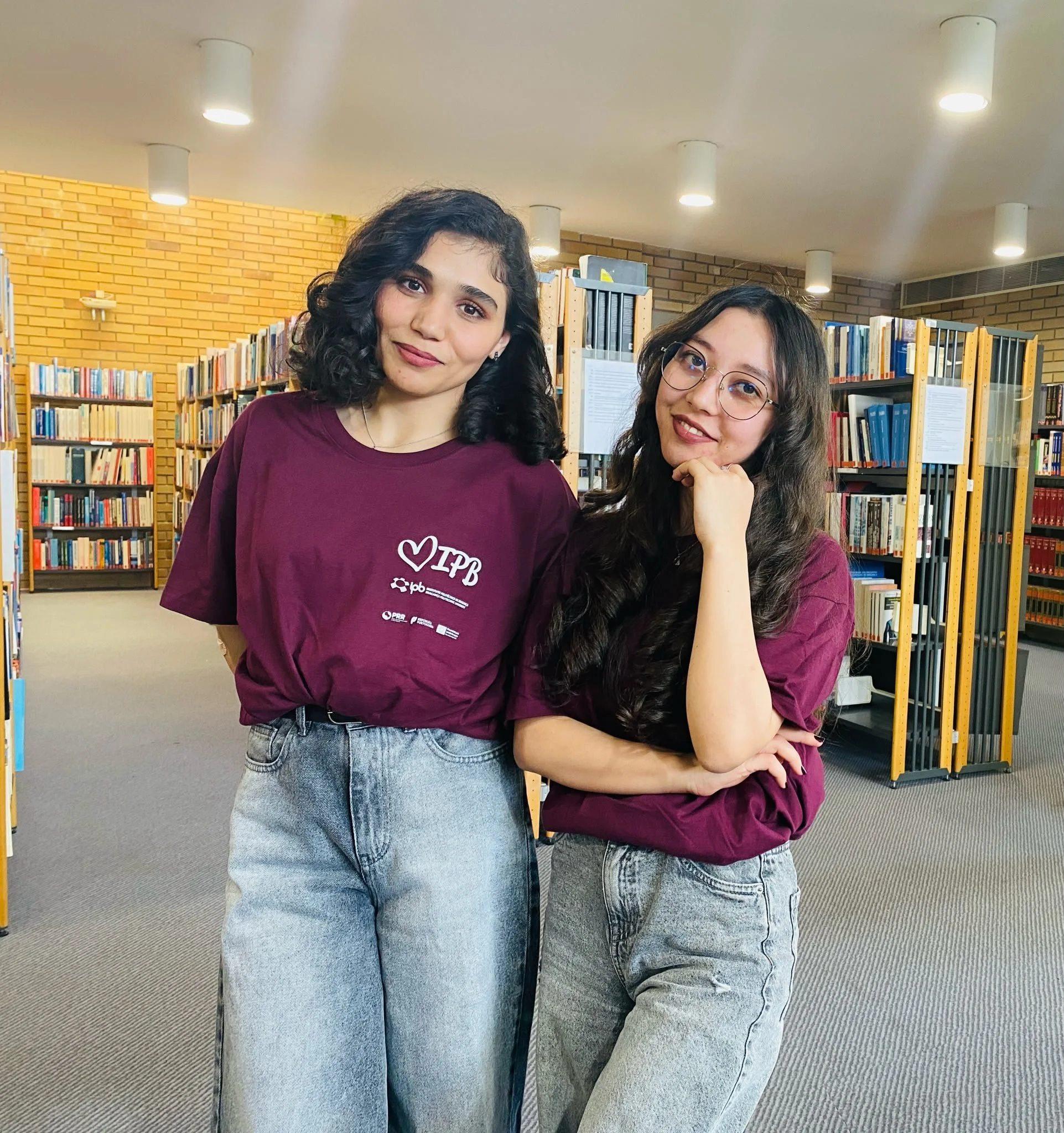
What does integration mean to you?
When Benazir thinks of integration, she thinks about creating opportunities where people feel included, respected, and supported. From her perspective, mentorship, language support, mental health support, and easier access to educational opportunities can make integration easier for migrant and refugee students.
Looking to the future
Looking ahead, her goals remain ambitious and clear.
After finishing her Bachelor's degree, she wants to continue her education and further specialise in Artificial Intelligence, cybersecurity, and innovative technologies. She is especially interested in combining research, entrepreneurship, and technology to create solutions with positive social impact. She also hopes to continue participating in research fellowships, international projects, and startup initiatives while developing her own ideas and expanding NeoLife AI in the future.
For Benazir, giving back is an essential part of that future.
She believes education changes lives, and she would like to support other students, especially girls and refugee students, who are trying to continue their education despite difficult circumstances. To them, her message is clear: never stop believing in your ability to continue learning and growing. The journey may be difficult, but she believes education can open doors that completely change your future.
In one sentence, she summarises the impact of the programme that now shapes her life: "programmes like Nexus 3.0 give students not only access to education, but also hope, stability, and the opportunity to rebuild their future".