

How Lithuania ran its first community sponsorship programme and what it learned about turning a wave of solidarity into something that lasts
3 August 2026
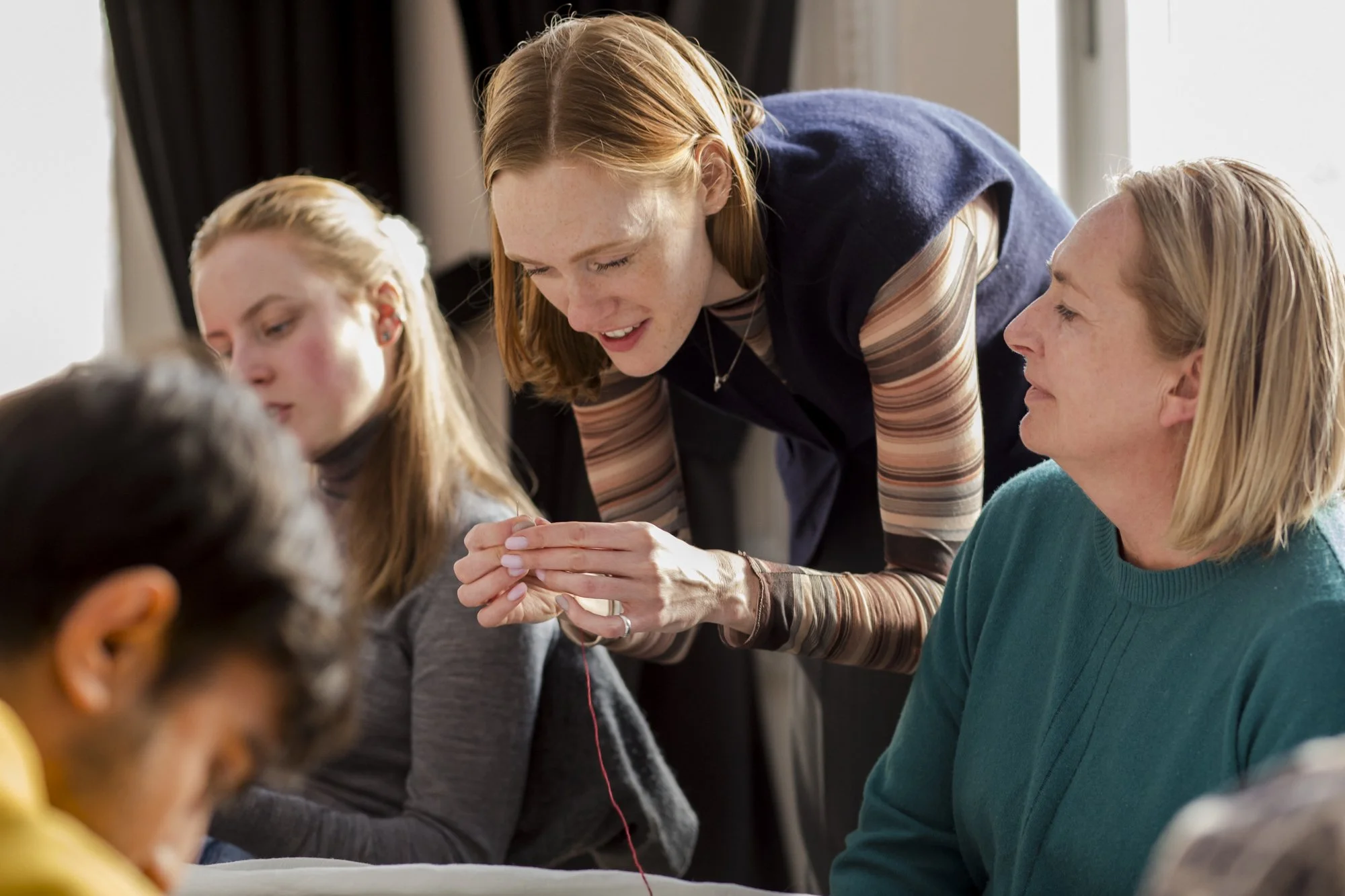
Lithuania had never implemented community sponsorship before 2021. It had, however, just proved that thousands of its citizens would open their homes to strangers. The question RISE set out to answer was whether that instinct could be turned into a system, and whether it would still work when the newcomer was not Ukrainian.
A meeting in a library
Nilab met her sponsor in a library in Vilnius. They sat down to go through her CV.
It is an unglamorous image for the start of a relationship, and that is rather the point. Nilab is from Afghanistan, where she worked for more than six years with international humanitarian organisations on gender equality, community engagement, child protection and education. She now lives in Vilnius, studying for a Master’s degree in Gender Studies. Arriving, she says, was “both exciting and emotional. I was starting a completely new chapter while leaving behind a life and career that meant a lot to me.” The first thing that felt completely unfamiliar was the language.
Her sponsor, Ieva, brought local knowledge and support. Nilab brought her determination and a plan.
“From the beginning, it felt like a collaboration. ”
The gap that formal systems leave
That framing of collaboration rather than assistance is what the RISE (Reinforcing Integration through Sponsorship Enhancement) project was built to produce.
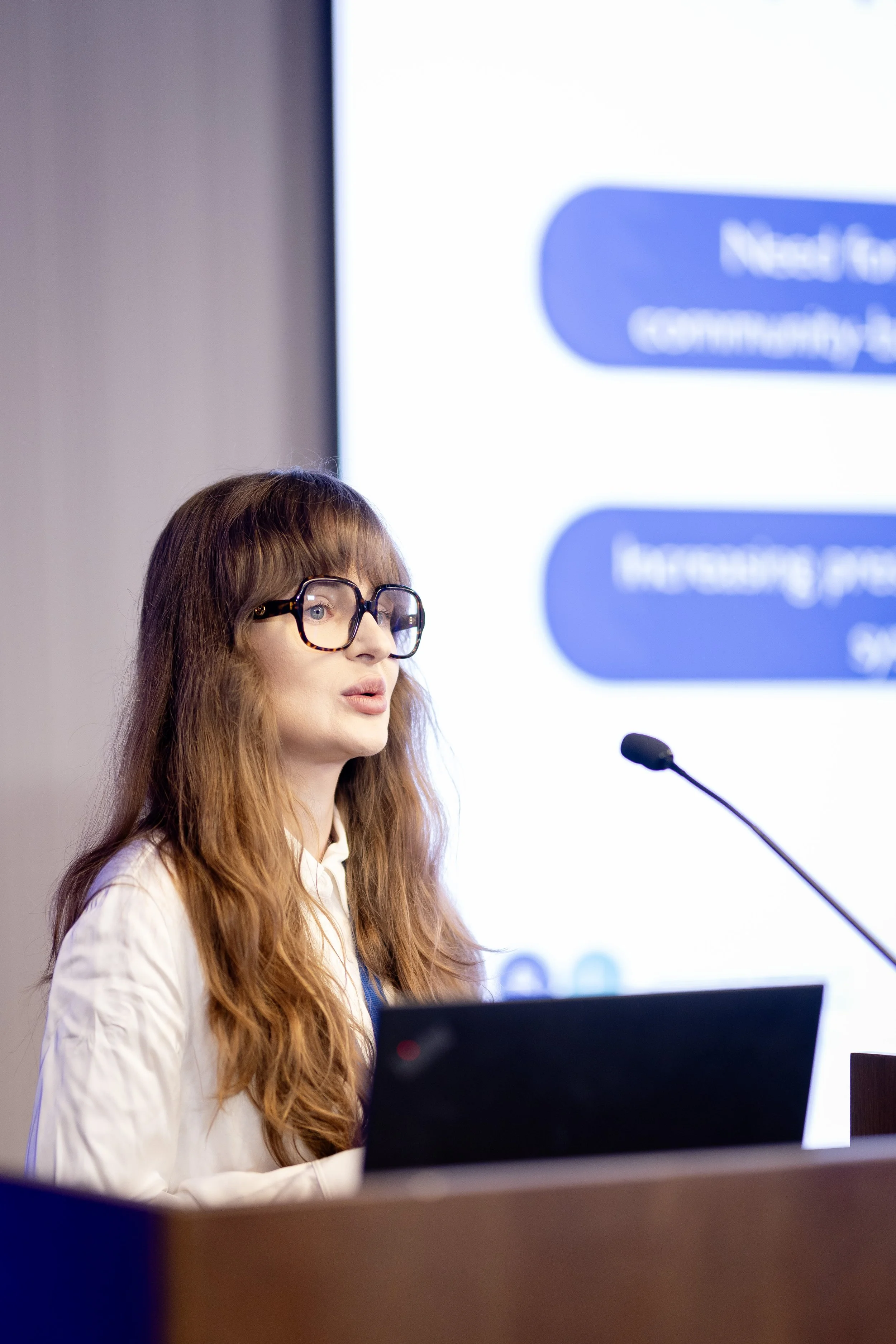
Meeting newcomers changed how people talked about migration.
Agnė Kurpytė-Nishnianidze, IOM Lithuania
“RISE was created to address a gap that exists in many integration systems,” says Agnė Kurpytė-Nishnianidze, who manages the project for the International Organisation for Migration (IOM) Lithuania. “While newcomers may receive formal support from public institutions, they often lack the social connections, local knowledge, and community networks that help people truly settle and build a life in a new country.”
Lithuania had unusually recent evidence that those networks could be mobilised. In 2022, the Strong Together (Stiprūs kartu) initiative connected Lithuanians willing to host Ukrainians fleeing the war with the families who needed rooms; according to IOM, more than 10,000 accommodation places were offered through it. But Strong Together was designed for one group of people escaping one war, and was expected to wind down when that war ended.
“RISE sought to take this spirit of solidarity one step further,” Agnė says, “by testing a sustainable community sponsorship model that could support all beneficiaries of international protection.” For Lithuania, she adds, “this pilot was particularly important because community sponsorship had never been implemented before.”
The climate it launched into
Lithuania’s recent public experience of migration has not been gentle. In the summer of 2021, several thousand people were moved across the Belarusian border in what the European Union came to describe as instrumentalised migration. Lithuania declared a state-level emergency and amended its asylum law, changes that refugee rights organisations criticised sharply. Public debate has been contested ever since.
Agnė does not avoid it. “Like many European countries, Lithuania has experienced intense public discussions about migration in recent years.” What RISE found, she says, is that proximity changes the register of those conversations.
There was scepticism at the start, and she is candid about it. “Early on, many people simply did not understand what community sponsorship meant. Some assumed sponsors would be expected to take on responsibilities beyond what was actually required. Others doubted whether volunteers would remain committed over time.” The answer was: “transparency, training, and continuous support”.
The craft of matching
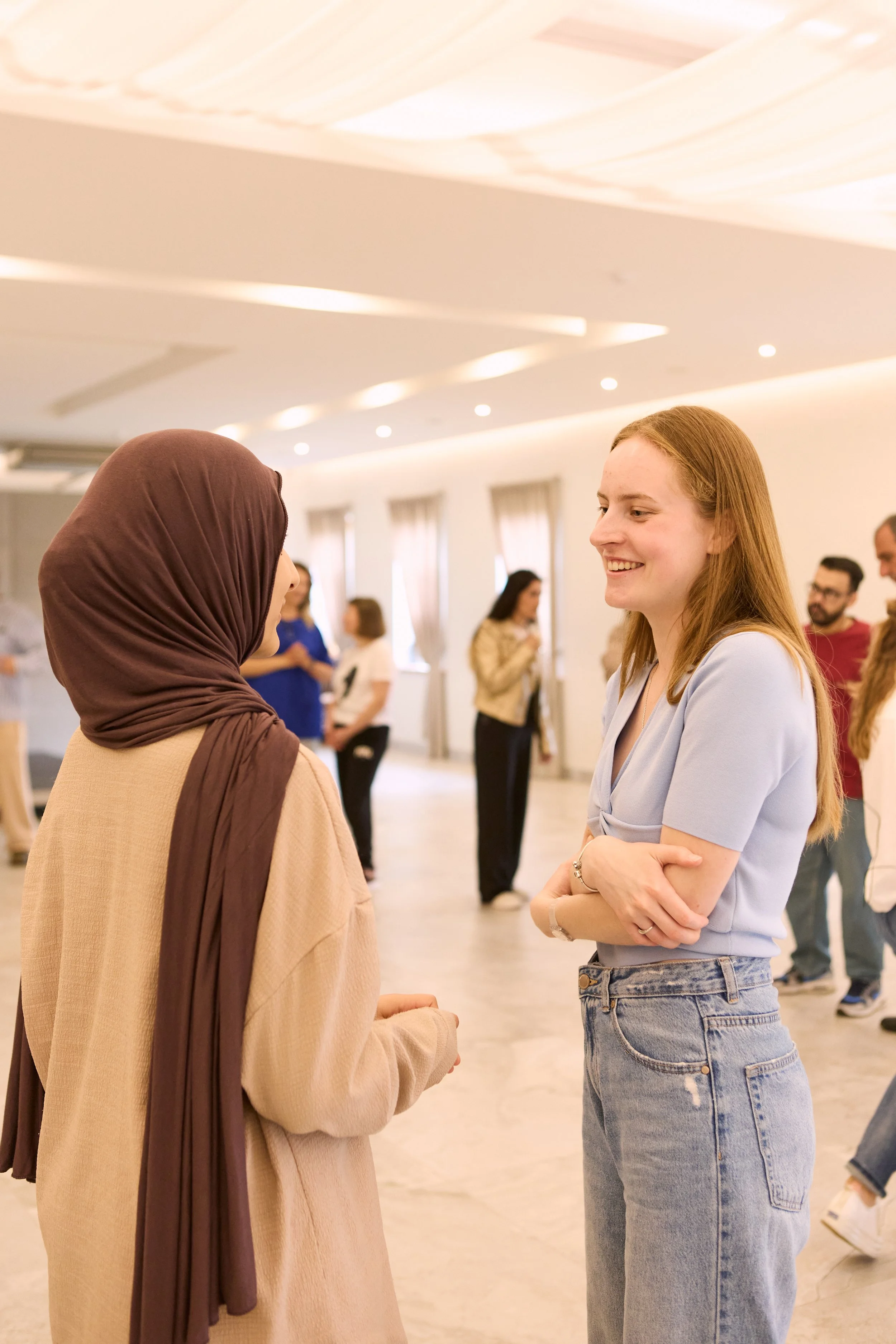
The part of RISE that other countries should study most closely is the least visible: how a sponsor and a newcomer are paired.
Before any match is proposed, IOM holds individual conversations with both people, exploring expectations, circumstances, skills, interests, motivations and support needs. The decisive variable does not depend on enthusiasm but on alignment. “Some sponsors may have more time to offer practical, day-to-day support, while others may be better suited to helping with social integration, language practice, navigating public services, or expanding professional networks.”
Location, language, age, gender, family composition, professional background, hobbies, lifestyle and specific integration goals all feed into the decision, alongside the sponsor’s realistic availability. The Reception and Integration Agency, which refers beneficiaries to the project, contributes its own knowledge of each person’s circumstances. Preparatory conversations follow with both parties before anything formally begins.
“Ultimately, our goal is to create matches that can develop into supportive, lasting relationships,” Agné says.
What a sponsor is actually for
Ask Nilab what Ieva did and the answer is a list hard to summarise: shared job opportunities, explained how local systems work, accompanied her through administrative tasks, helped her make a doctor’s appointment.
“All of these small and big supports made my transition to life in Lithuania much easier and helped me feel more confident and independent,” she says. “Whenever I needed support, she was there and responded with care and responsibility.”
Independence is the operative word, and RISE is strict about it. Sponsors, Agnė says, are not there “to take over responsibilities or provide support that is not needed, but rather to accompany newcomers in a way that strengthens their independence”. Equally, the project “was never designed as a source of financial assistance or a replacement for formal services”.
Where that boundary was not made explicit early enough, matches struggled. In one pair, the newcomer expected practical help with daily problems while the sponsor, having heard about other matches, hoped for something broader and more social. “Neither expectation was wrong,” Agnė says, “but the mismatch created some challenges.” In another, a language barrier made the first weeks hard; the two adapted with written messages and kept going.
The armchair, the choir, the Christmas meal
What RISE counts as success is not a number.
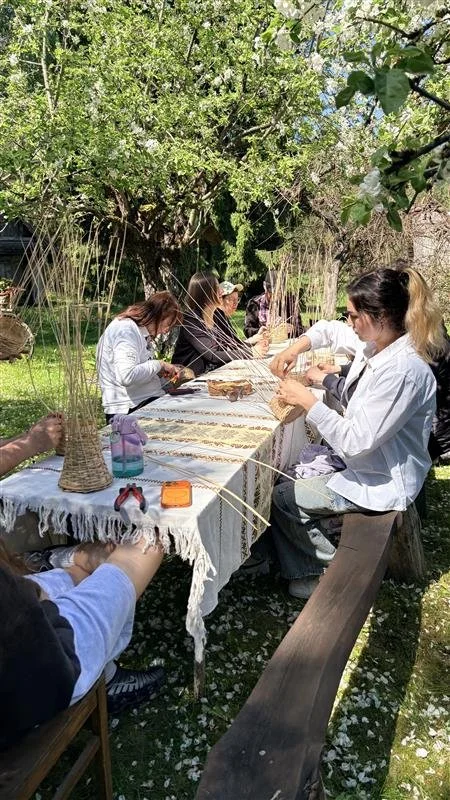
One sponsor, visiting a young mother with a one-year-old, noticed that she had nowhere comfortable to sit while breastfeeding. Nothing had been asked for. An armchair was delivered to the flat. “It wasn’t a grand gesture,” Agnė says, “but it showed how community sponsorship is often about noticing the small things.”
Another newcomer needed almost no practical help, so the relationship became something else entirely: cultural events together, encouragement to perform her music at open mic evenings, and an introduction to a local choir. “Their relationship became less about solving problems and more about helping someone feel that they truly belonged.”
A third pair found they simply liked each other, and still meet most weeks. And over one Christmas, a sponsor learned that the woman she was matched with had fallen ill and would spend the holiday alone. She brought her a meal from her own family’s table.
What surprised Agnė most was how fast the labels fell away. “People stop seeing each other as a ‘sponsor’ and a ‘newcomer’ and simply start relating to one another as people.” The first conversations, she noticed, are rarely about what help someone needs. They are about a shared hobby, a similar sense of humour, where each has been and where they hope to go.
Nilab, now
A typical day now means university classes, assignments, Lithuanian lessons and (when the weather allows) cycling around Vilnius, “which helps me explore the city, stay active, and feel more connected”.
She feels most herself at the university, “surrounded by people from different backgrounds who are passionate about human rights, democracy, and gender equality”. The moment that has stayed with her is the realisation that she could continue her education at all: “it reminded me that my journey wasn’t over, it was simply taking a different direction.”
Asked what home means now, she describes it as “a sense of belonging, stability, and connection… a place where I can be myself, continue growing, and build a meaningful future.” Lithuania, she says, is becoming that.
She is clear about what she still wants to give. Her humanitarian experience is not a closed chapter: she hopes to work on inclusion and social justice in Lithuania and Europe, “especially women and girls who face additional challenges in accessing opportunities”.
And she has a message for the volunteers. “Ieva’s support has been about much more than practical assistance. Her kindness changed the way I see Lithuania and Lithuanian people, and that positive experience will stay with me.”
For newcomers who come after her: “Do not underestimate your own strengths and experiences. The skills and knowledge you bring with you still matter… Every small step forward is progress.”
What Lithuania would tell the rest of Europe
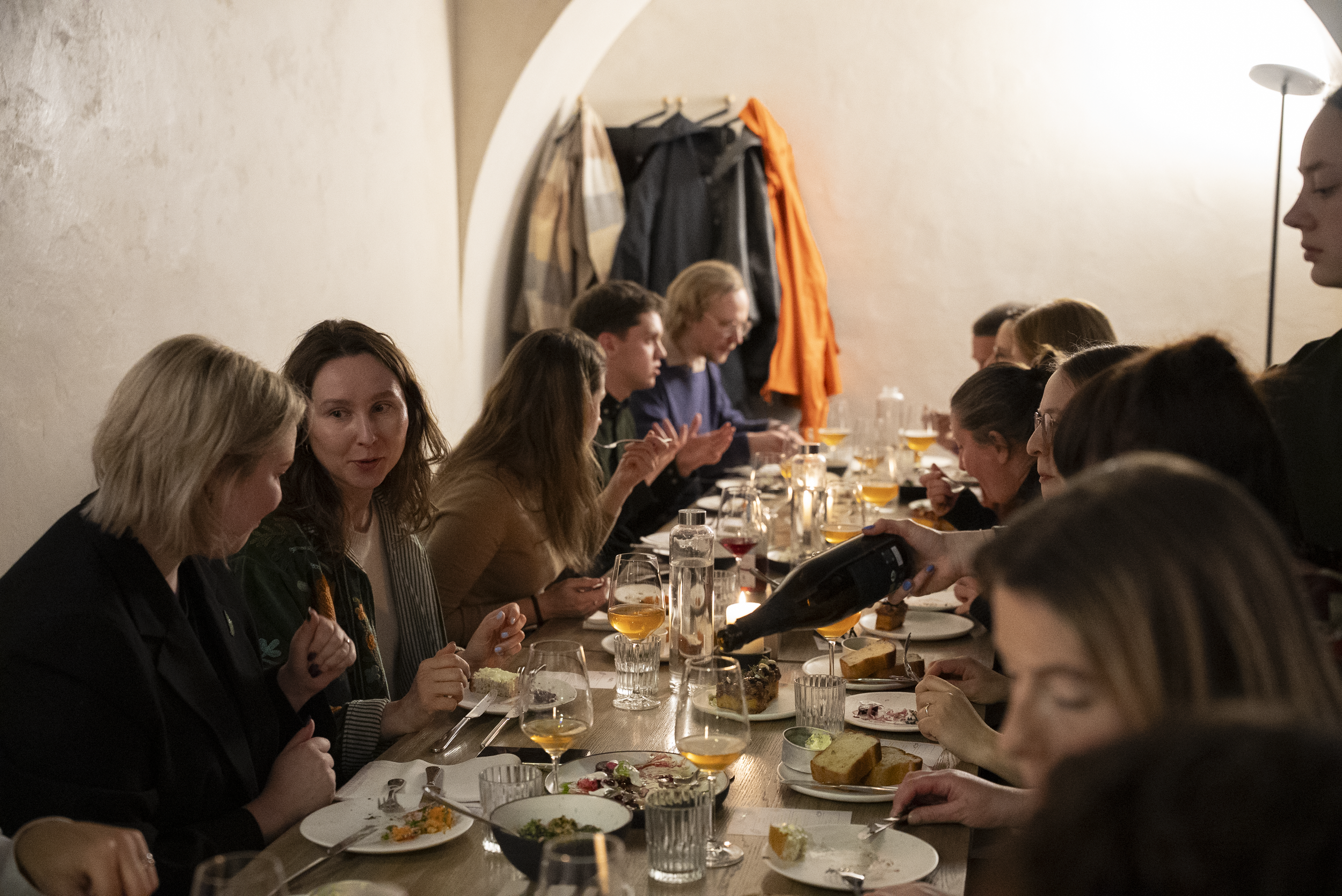
Nilab’s own recommendation is a policy point in disguise. Lithuania is a highly digitalised country, she notes, and most services are online, a real advantage, but a hard one to use in your first weeks. “Newcomers need support that goes beyond administrative procedures. They also need someone who can explain the systems, answer questions, and help them become independent step by step.”
Agné’s advice to any country considering the model is shorter. “Start small, invest in preparation, and focus on relationships rather than targets.” Community sponsorship, she adds, “builds trust among newcomers, local communities, and newcomers. Each country needs to adapt the model to its own circumstances.”
If RISE grows, she knows what she would defend.
“As programmes grow, it is important not to lose sight of what happens between the meetings, forms and reporting requirements. The strength of community sponsorship lies in the personal relationships it creates. (...) I would hope we maintain that focus on trust, personal connection, and community ownership. Those elements are not a side benefit of the programme, they are the reason it works.”